Latest Posts

Lamma Island, Hong Kong

Why Your Next Trip Needs To Be A Solo One

Ever thought about going on a solo trip? I definitely have. Inspired by other’s experiences, I wanted one of my own. It was a once-in-a-lifetime opportunity that I’ve always wanted, but never thought could actually happen. Funny how things fall into place when you least expect it.

Last August, I quit my job with no backup plan. Irresponsible? Possibly. My mundane 9-to-5 job left me unhappy, unmotivated, and dissatisfied. With words of encouragement from my fellow co-workers, I mustered up the courage to quit. For the first time in a while, I had control of my time. It was freeing, yet scary —  I wasn’t sure what to do with all the extra time on my hands. Then I thought, ‘this is the perfect opportunity to take that solo trip I’ve always wanted.’ I had the two things that made it possible: time and money (not a lot, but enough). So I looked up the cheapest flights, booked my tickets, packed my bags, and flew off to Hong Kong and Taiwan for a month. I chose Taiwan because I wanted to learn more about my parents’ culture, heritage, and lifestyle. Hong Kong, on the other hand, was decided in the spur of the moment. It was just under 2 hours away from Taiwan, so why not?

The Places I Visited
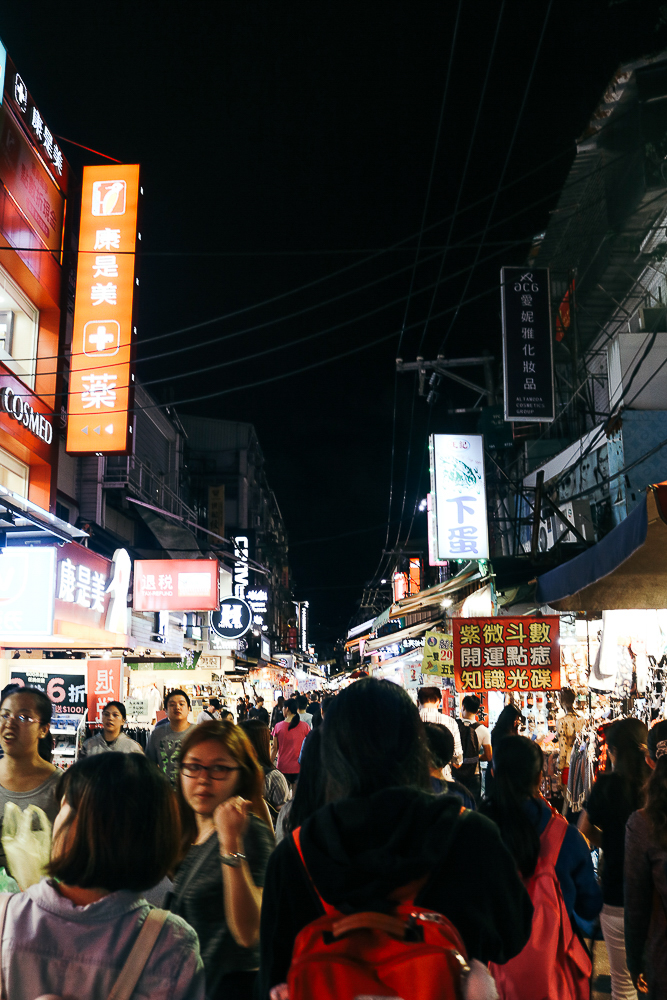
Shilin Night Market, Taiwan
Shilin Night Market

Taiwan (2.5 weeks):

  • Taipei – Delicious food, cultural centers, skyscrapers, a national park, and hot springs. Taipei has it all.
  • Jiufen – Many people flock here to see the sunset. Unfortunately, when I came it was rainy and cloudy. But the city lights here was worth a trip. This is the place that inspired Miyazaki’s famous movie, Spirited Away.
  • Tamsui – This is a great place for a romantic date by the water. Grab some snacks by the harbor and enjoy the image of the sun glistening on the water as it sets on the sea.
  • Hualien – This is one of my favorite cities. The easiest way to get around is with a bike, which you can rent. You can ride along the coast to the beautiful beaches or to the lush green mountains. Hualien also houses one of the most popular national parks of Taiwan, Taroko National Park.
  • Alishan – If you love being in a forest, this is the place to be. The trees were so tall and green, it was incredible. If you can, I would stay for the sunrise or sunset. The view is extra special because you can see clouds roll in as the sun rises or sets.
  • Sun Moon Lake – Here lies Taiwan’s largest body of water. I was blown away by how big and blue the water was. You can get a closer view of the lake by biking around it too.
  • Tainan – This city is best known for its street food and snacks (i.e. shrimp chips, fried shrimp rolls, and tofu pudding). So naturally, I ate the most here. I stuffed my stomach like there was no tomorrow. It was great.
  • Kenting National Park – I had the opportunity to visit the southernmost point of Taiwan and see the unique rock formations along the coast. There’s a rock that looks like a cat’s head and Richard Nixon’s head. Just look closely!

Dragon's Back, Hong Kong
Dragon’s Back

Hong Kong (1.5 weeks):

  • Hong Kong Island – It has one of the best museums I’ve ever been to — the Hong Kong History Museum. Each exhibit was interactive and was displayed so vividly. I was immersed in each part of Hong Kong’s cultural era. Ah, it was amazing!
  • Hong Kong Trail – A great trail to see the natural greenery of the main island. This was my escape from the hustle and bustle of the city.
  • Lantau Island – Out of all the more touristy attractions, I recommend a visit to Tai O fishing village. I loved the atmosphere here. You get to talk to the locals, eat delicious food, and see the traditional houses that sit on stilts by the water.
  • Cheng Chau Island – If you love mango mochi, this is the island to go to. Hands down the best mango mochi I’ve had so far!
  • Lamma Island – Walk along the narrow ridges of the green mountains and be rewarded of the coastal views.

Victoria Peak, Hong Kong
Victoria Peak

Final Thoughts On My Solo Experience

This trip was a dream come true, but I’m not going to lie and say that it was all sunshine and rainbows. There were days when I felt lonely and days when nothing went according to plan. I got lost more times than I wanted. My patience was tested. I missed my family, friends, and home. Just hours before flying out, I was so nervous and anxious, I let out a big cry. Surprisingly, once I landed in Taiwan, most of my worries were quickly replaced with excitement and glee.

One of my favorite memories in Taiwan was actually my last day there. I was forced to change hostels and met two awesome dudes in my room. Even though there was a language barrier we shared a common interest we drank beers, shared stories, and laughed our butts off. It’s these simple moments that make traveling alone worthwhile.

In Hong Kong, I was very overwhelmed by the city environment. There were so many people, buildings, sounds, and traffic. To manage, I escaped into nature and the outlying islands. Though Hong Kong is known much for its city life, people tend to forget that it’s mostly made up of mountains and greenery. I did so much hiking, it was ridiculous. I didn’t know I could fall more in love with nature. One thing I did love about the city was the nightlife. I loved how the city came alive once the sunset. All the building lights were on, all the restaurants were open, people were everywhere — it was so lively.  It was as if the city was reenergized again.
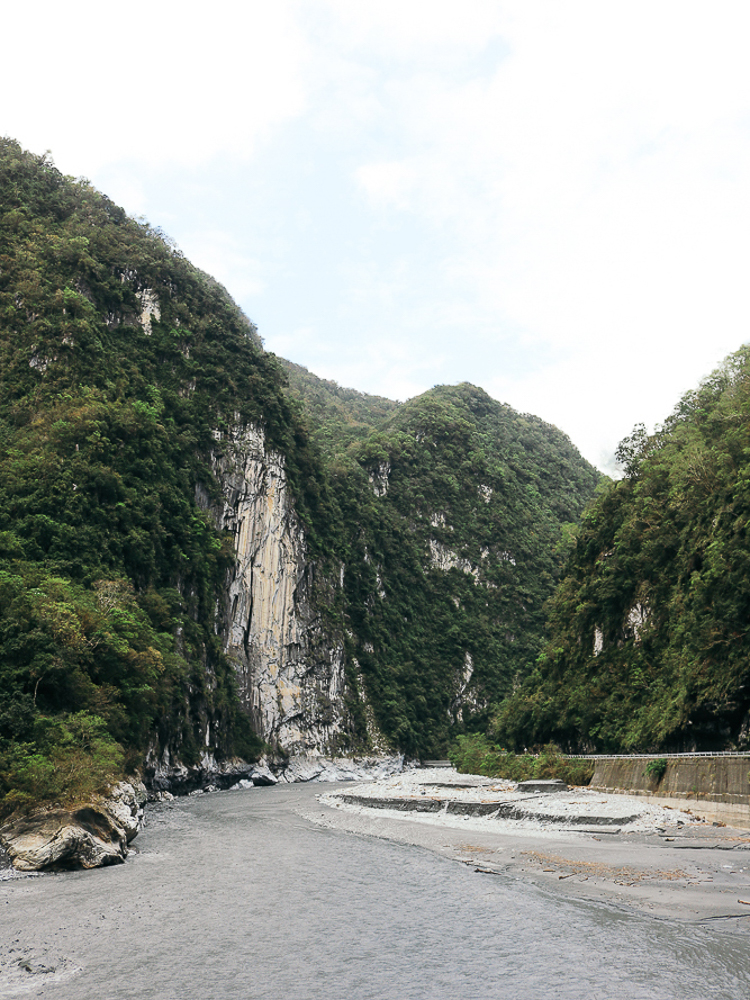
Toroko National Park, Taiwan
Toroko National Park

To Go or Not To Go — Solo?

Being alone on a trip can be refreshing and eye-opening. You learn so much about yourself and the world around you — especially on a long trip like mine. You’re forced to depend on yourself and trust your raw instincts. You don’t have a friend to lean on or ask for opinions   it’s just you. So you learn to navigate the city and ask for help when help is needed (which will be quite often). You’re challenged to step outside of your comfort zone. For me, it was asking strangers’ for help, either for directions or to take photos.

When I was alone, I put a lot of my trust in people. We live in a world where we’re constantly being told that the world is a scary place. And although there are terrible things out there, there definitely still is a lot of good. I’ll never forget the time I got lost for hours in Toroko National Park while in Taiwan. Long story short, I wandered aimlessly, not knowing if I would make it out by dark. I forced myself to remain calm and eventually stumbled upon an old couple snacking by the road. I told them my situation and they were kind enough to give me a ride back to where I needed to be. Somehow I ended up spending my entire day with them. They showed me around the park, paid for my meals, explored the neighboring cities with me, and even took me back to my hostel. It’s definitely an experience I’ll remember forever.

The best part about going solo? The freedom to do whatever you want and whenever you want. You have full control of the places you want to see and eat. I loved having the freedom to invest myself fully in the cultures of Taiwan and Hong Kong. It was fun to see the different cultural differences and it allowed me to reflect on my own culture and how I grew up. 

Despite all the adversity I faced, I wouldn’t trade this trip for anything in the world. Everyone’s solo adventure will be different and that’s the beauty of it. No one will have the same experience as you do. It’s something that you can call your own. It’s going to be challenging and uncomfortable at times, but the results are worthwhile. Who knows, you may come back as a different person than when you left.
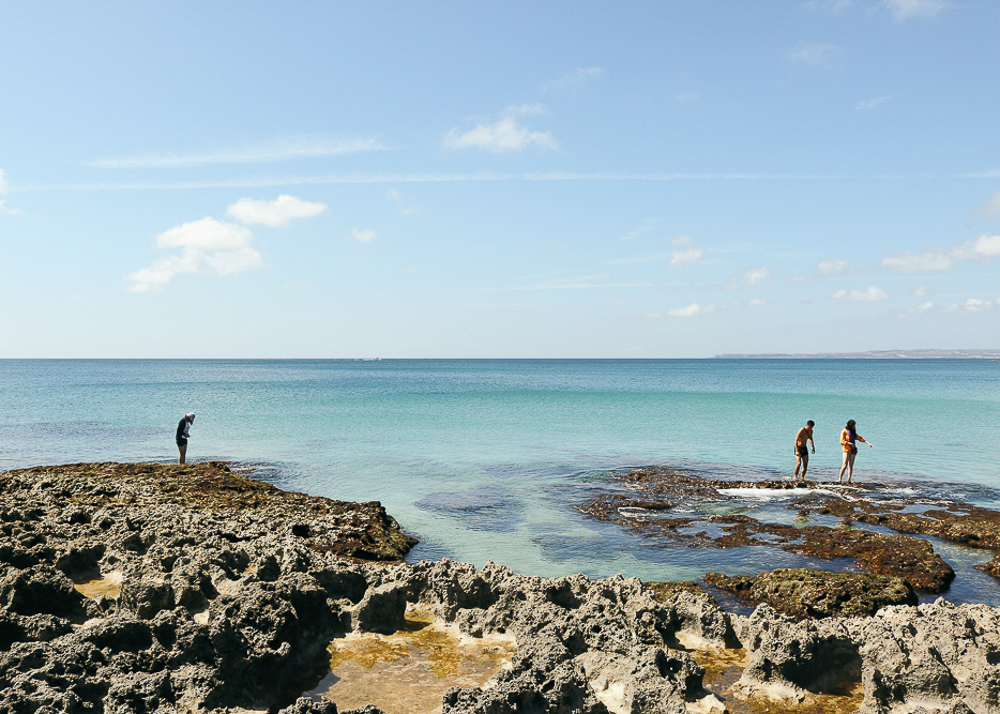
Kenting National Park, Taiwan
Kenting National Park

Tips For Your Next Solo Trip:

  • Nothing will go according to plan. When that happens, just go with the flow. Your trip will be more fun that way.
  • Google Maps will be your best friend, but always be sure to carry a paper map as a backup just in case your phone dies. Better safe than sorry!
  • The weather will be unpredictable, but don’t let that get you down. Switch up your plans and just go. There’s no time to waste when you’re in a new city.
  • Traveling is exciting, but it can also be exhausting. Allow yourself time to rest and relax. It’s okay to take a day or two to chill. You’ll have more energy and more fun in the long run.
  • Don’t be afraid to ask people to take photos for you. Be aware not everyone is a professional photographer and won’t always get that perfect angle. I ended up with some funky photos that make me laugh to this day.
  • Facebook is a great way to keep in touch with everyone you meet long after your trip is over.
  • Selfie sticks are the norm. Though it may be annoying, your trip will go a lot smoother (and happier) once you learn to ignore them. Remember, those people are just as excited as you are.
  • Public transportation is amazing in Taiwan and Hong Kong. It’s a great way to explore the countries and to avoid traffic.
  • Don’t book your hostels too early in advance. After talking to locals and being in the country for a bit, you’ll find hidden gems unknown to the internet, making you possibly deviate from your plans. Book the first couple of nights and then see where your plans take you.
  • You will meet some of the kindest people or some of the meanest. It’ll help you appreciate the little things people do for you and learn to get along with all different types of characters out there.
  • Eat your heart out.
  • Ask yourself “when is the next time I’ll be here” constantly. It will make you do things you never thought you would do. Take advantage of the opportunity, go out, and have fun!
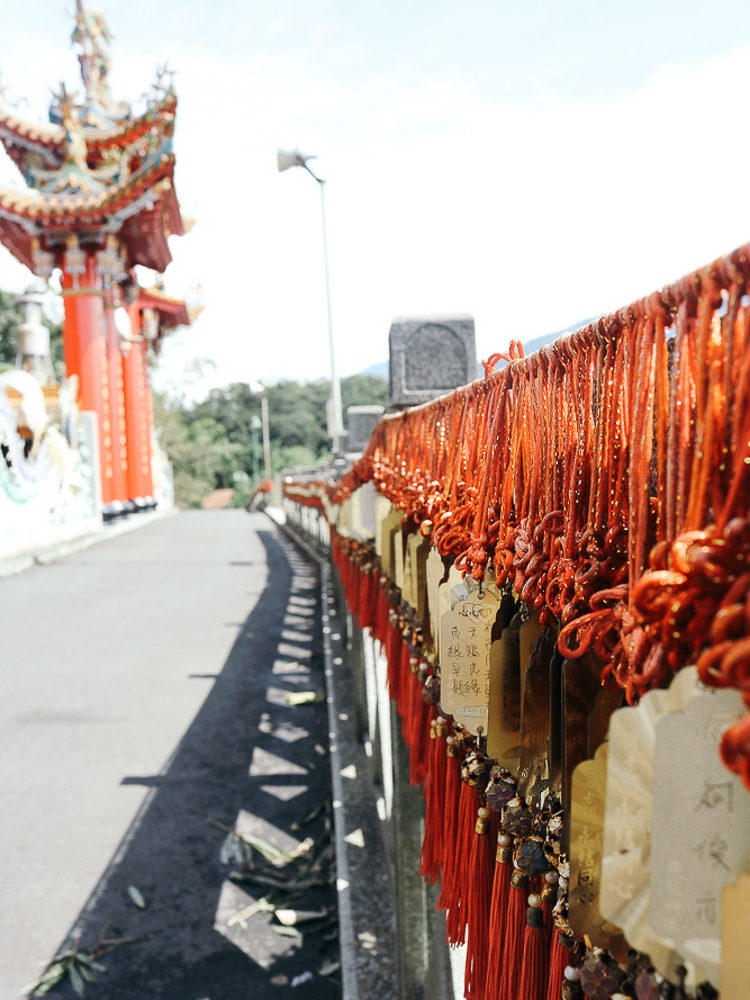
A temple in Taiwan

So, my friends, I challenge you to plan your next trip as a solo adventure. Feel free to email us if you have any questions!

Cheers,
Vivian

8 Sustainable Fashion Brands That Are Saving the Planet

8 Sustainable Fashion Brands That Are Saving the Planet

We live in a state of “fast fashion” where trends come and go quicker than the seasons change. Not only is the fashion industry extremely pollutive, but the rate at which we are disposing clothing to purchase new ones is extremely wasteful. Instead, Tinycaravan wanted to find an alternative. We researched and scoured the internet to find fashion brands that are trendy, sustainable, and affordable. In the end, we found with these 8 sustainable fashion brands, each with a mission of their own.

Read More
Jennifer and Vivian at Joshua Tree National Park

About Us: The Faces Behind Tinycaravan

Do you remember MySpace (or Xanga) surveys we used to do all the time in middle school? We sure do… so we thought this would be a great way for you to get to know the faces behind Tinycaravan.

Who are you? Give us your best elevator pitch.

Jennifer - Tinycaravan

Jennifer: Hi. My name is Jennifer. I love bagels, the mountains, and the coastlines, and smiling through awkward situations.

Vivian - Tinycaravan

Vivian: Hello, I’m Vivian. I enjoy deep one-on-one conversations, being outside, daydreaming about ‘what if’ situations, and eating my heart away.

What is your favorite National Park (so far)?

Jennifer: Wow. If I had children, I’d feel like I’m picking the child I liked best — because clearly, there is a favorite and you can’t admit it to the others — but you “love them all the same.” I would have to say, Yosemite and Zion are my top two and are at a very close tie. Does this count?

Vivian: I love national parks with all my heart. Truly America’s best idea. Each one deserves just as much love as the next. But I guess if I had to choose, it would be Zion National Park. I will forever be amazed by those majestic red rocks and the Virgin River. Yosemite is a close second though!

What is one environmental pet peeve that annoys you the most?

Jennifer: There are so many… but I think I’d have to go with buffets (I know, unpopular opinion!). Not necessarily the idea of buffets, but peoples’ mindsets at a buffet. We want to get our money’s worth, so we’ll pile on lots & lots of food, usually more food than we can eat. Then, a lot of it ends up in the trash. I don’t think a lot of people think about that. The wasted food can either feed another person or it can be composted. It’s unnecessary. It kills me.

Vivian: Styrofoam. Helllooooo, it’s 2016, time to get rid of those ancient things. Styrofoam is a petroleum-based plastic (that alone already sounds scary), a possible carcinogenic (hello cancer), does not break down in the environment. Bad for us, bad for the planet, just all around bad.

What’s your favorite thing about the other person?

Jennifer: On a recent trip to Big Sur, Vivian and I ran into a lot of car problems. We spent a one day fixing a flat tire and another day trying to get the car to run again. It was supposed to be a fun and inexpensive road trip along the coast, but it turned into a disaster real quick. We thought we were going to be stuck in the middle of nowhere, forever. Inside, I really wanted to cry. Eventually, we lived to tell the story, but that experience really made me appreciate our friendship and the kind of person Vivian is. Instead of panicking or feeling negative, she was calm, rational, proactive, and extremely positive — qualities that are extremely important when you’re stuck in a weird situation. These are also qualities that I value. It would have gone a different way if I was with someone else. She’s someone you can always count on, someone you can trust, and someone who knows how to make the best of any situation. Definitely a wonderful travel buddy.

Vivian: I love how genuinely interested Jennifer is when she talks to someone. She’s not about that “small talk” life. When she asks “How’s your day?”, she honestly wants to know how it is. It’s not just a general question to her; she listens intently and follows up with more questions. I think this is one of the many reasons why she gets along with so many people. She simply cares and that shines through to them. She has a way with people, making them feel comfortable and worthy of their own character. I don’t know how she does it but I appreciate every bit of it.

When you think of your life/career, where do you see yourself in 5 years?

Jennifer: I’m going to give you the cheesy answer because it’s the only answer I can think of when I imagine what I want to do with my life. So here goes — please save yourself from cringing by skipping this answer……….wait……….why are you still here. Okay. I want to do better for the planet, animals, and people. I want to spend my life helping others and show them, “Hey, there are people out there who care deeply about you! You matter so much!” I don’t care what industry it is, or what I do, but I need the hands-on, personal relationship. I’m horrible with words, so I try to show everything I feel through my actions. I feel a sense of duty and responsibility to leave the world a better place than when I entered it.

Vivian: Ugh, this is a tough question. I honestly don’t know. What I will say is I want to stay and grow in the environmental space. As long as I’m doing something that benefits the planet and people, I’m happy. Whether that’s tackling environmental issues, providing access for people of color to the outdoors, inspiring the next generation of environmental stewards, all of that is possible. Our lands and natural resources must be taken care of and I want to be a part of that. 

What is your favorite memory in nature with each other (good or bad)?

Jennifer: When Obama visited Yosemite this past June, he decided to shut down all roads and quarantine the entire park. Vivian got stuck in the midst of all the craziness and was stuck at the visitor’s center for 4 hours. I thought it was hilarious, but she was so upset (I’m sorry). To add to the salt, that night, we decided to drive out to catch some stars. It was a grand time and we enjoyed ourselves within nature. However, when we got back to our tent we found that our tent had been broken into. Someone had unzipped our tent, searched through Vivian’s backpack pockets, took all her protein bars, then left all the evidence in plain sight. At first, our friend Brandon thought it was a bear, so he reached for his Swiss army knife, ready to attack. All the while I’m freaking out on the inside, but trying to stay calm and look for clues. On the floor, I picked up Vivian’s junior ranger book, left half eaten with paw prints all over it. It turns out, the thief was a raccoon! His paw prints were all over the book. Haha. Can you imagine a raccoon using his/her thumbs to open up our tent and steal our things?? It was crazy. But also, don’t leave your food in your backpack. We’re so sorry, Yosemite. Anyway, you had to be there.

V: Wow, there are a bunch. One of my favorite memories with Jennifer was our first trip together to Joshua Tree National Park. We went in March thinking that the weather wouldn’t be too hot. Yeah, we were 100% wrong. It was 100 degrees out and yet we still decided to go on a day hike — at noon. I don’t know what we were thinking! We were new to the outdoor space and did not dress for the occasion. Jennifer also made the #1 rookie mistake of not bringing enough water (yeah, we almost died). Long story short, the hike was not worth our pain and we were severely sunburnt. To add more to the story of how uneducated we were, we realized we didn’t stake our tent down when we got back to our campsite. Our tent was flipped upside down, about 100 feet away from where it was supposed to be. Despite all that, we survived (thank goodness). But what I love most about camping is the feeling of relaxation after an intense day hike. That feeling where you can finally sit down, take off your shoes, let out a big sigh and enjoy the nature and people around you. I felt that moment when Jennifer and I were cooking dinner, just chatting the rest of the day away as the sun sets behind us. In that moment, everything felt just right.

What is your guilty pleasure?

Jennifer: I don’t like to call them guilty pleasures… because they just bring me so much happiness. One is that, I. Love. Fast. Food.

Vivian: I tend to splurge on skincare products more than I’m willing to admit or need. I love reading about the content and trying “the next new thing”. 

If you can play monopoly with any famous person, who would it be?

Jennifer: Leonardo DiCaprio. Um, helllooooo TITANIC?! He’s extremely intelligent, funny, talented, kind-hearted, and a great storyteller (how do I know this? Too many late nights on YouTube). I don’t think I could get mad at him in a game that’s supposed to “tear friends apart.” We’d probably end up talking about life rather than playing the game anyway. Seems like it’d be a lot of fun. I love him as much as he loves the planet. (No, I’m not crazy).

Vivian: Kobe Bryant. Love him or hate him but you can’t deny greatness. One of the best to ever play the game. I would love to see how his mind works and what goes inside that complex brain of his in a game of Monopoly. Let’s be real, he’ll probably beat me and that’s totally fine with me. Can we play Monopoly together forever?

What is something you do that you think is okay, but people think is weird?

Jennifer: Brushing my teeth after eating breakfast. I think it’s cleaner to go about your day that way. A lot of people think it’s gross though. Too bad I can’t live out my dreams because I always eat breakfast on the go… and so, must brush teeth before eating, like everyone else.

Vivian: When I’m really full, I like to stand up and move in place. I’m terrible at controlling myself around food. I eat with my eyes instead of listening to my stomach. So when I’m ridiculously full, I will get up and stand. Maybe do some stretches or run in place – anything to make me feel like it’s helping my digestion.

What’s a food pairing you can’t live without?

Jennifer: Gosh. Cheese. Just cheese. Cheese on everything. Cheese everywhere. Give me all the cheese. 

Vivian: Ketchup and onions. I would squeeze a ridiculous amount of ketchup on my burgers, hot dogs, fries, eggs, hash brown, and even rice sometimes (yeah, I know). Same goes for onions in any dish. I love all kinds of onions, both raw and cooked. Honestly, I’ll eat pretty much anything.

Wow, thanks for making it to the end. If for some reason you want to learn more, read about why ‘Tinycaravan’ here.

Cheers,
Jennifer and Vivian


Disclaimer: None of these answers were edited. We wanted to show the real, the raw, and the quirky parts of our personalities. Thanks for reading!

recycle 101

Recycling 101: The Mistake You Don’t Know You’re Making

When done right, recycling is the most important thing we can do to help the environment. Putting one wrong thing in the recycling bin can ruin an entire batch. In this post, we brushed up on recycling 101: the mistake you don’t know you’re making and how to properly recycle at home.

Can I Recycle That?

Below are items that can be recycled. These can be placed in your recycling bins at home, recycling bins around your city, or taken to specific recycling centers. You can also call your local municipal center to see if they accept certain recycling materials.

Before tossing them in their respective bins, always rinse your recyclables to avoid molding and contamination. Most facilities won’t accept recyclables that have not been at least 30% rinsed. Not doing so can ruin an entire batch of clean recyclables and the machines used to reincarnate your trash. It may sound like a waste of water, but, it takes more water and energy to produce virgin materials than it does to recycle them.

Glass

  • Clear Glass. Known as Flint.
  • Brown Glass. Known as Amber
  • Green Glass. Known as Emerald

Do Not Recycle: glass that have been contaminated with stones, dirt, or food; that is heat resistant such as Pyrex (these cannot be melted and mixed with new raw materials); and mirror glasses, metal cup/lid, crystals.

Metals

  • Aluminum Cans
  • Steel Cans
  • Tin Cans
  • Aluminum Foil/Other Bakeware

Do Not Recycle: scrap metals and flattened or crushed metals cannot be recycled. Although tempting, refrain from crushing your soda cans after each use. Crushed cans get lost in the designated machines and cause a disruption in the cycle.

Paper

  • Newspaper
  • Corrugated Cardboard
  • Magazines. With today’s recycling technology, many community recycling programs accept glossy magazines and catalogs for recycling. Make sure to remove stickers and perfume inserts before you do so.
  • Office paper. Separate high grade paper from low grade paper.
  • Paperboard. Includes cereal boxes and paper cardboard juice/milk boxes. Note: do not recycle milk or juice boxes found in the non-refrigerated aisles such as soup or soy milk packaging, unless otherwise noted on the package.
  • Junk Mail
  • Phone Book/Yellow Pages

Do Not Recylce: bright colored papers (only a few recycle pastel colored papers, check with your local munipal). In addition, do not recycle paper that has been contaminated, dirtied, soiled, and shredded. For papers containing sensitive information, rip it up three or four times and toss them in the bin. For highly sensitive papers that must be shredded, contact your local center for best recycling options.  

What about items like a pizza box –– can you recycle it? Yes and no. While the box itself can be recycled, once contaminated with oil and grease, the entire contents cannot be thrown in the bin. To solve this, cut off the contaminated sections, and throw that into the trash. The rest can be thrown in the recycling bin. 

Don’t Try (To Recycle) This At Home

These need to be taken to specific municipal centers and need to be completely separated from other recycling materials or waste.

Batteries and Bulbs

  • Car Batteries
  • Button Batteries
  • Rechargeable Batteries
  • Incandescent and LED
  • Compact Fluorescent Bulbs

Electronic Devices

  • Computers and Computer Parts
  • Office Equipment: Printers, Photocopiers, Fax Machines
  • Televisions
  • VCR
  • Stereos
  • Telephones

What About Plastic?

Recycling plastic is a bit tricky. Make it a habit to check the numbers inside the “chasing arrows” symbol on the plastic container each time. The numbers (listed from 1-7) helps identify the material used for the product, but not all materials can be recycled. Get a better understanding of them below. It will aid you in knowing where to sort specific plastics and what to avoid purchasing them in the future. As a reminder, please check with your local municipal to find out what you can or cannot recycle.

#1 – PET (Polyethylene Terephthalate)

This is the most commonly used plastic. Items include: soft drink bottles, water bottles, salad dressing, cooking oil, and other thin plastic materials.

Products made of PET should only be recycled, not reused. Repeated usage of the product increases the risk of leaching toxins and bacterial growth. Once recycled, PET is turned into recycled fibers used to make textiles such as t-shirts, jackets, fleece clothing, insulation for clothes, carpet, and other similar products.

#2 – HDPE (High Density Polyethylene)

HDPE can be both recycled and reused (whoo!). Items include: milk and juice jugs, laundry detergent, shampoo, motor oil, and other common items.

When recycled, HDPE is used to make picnic tables, plastic lumber, waste bins, and other products that require durability and weather resistant plastic materials.

#3 – PVC (Polyvinyl Chloride)

And here we have our “poison plastic.” PVC is not recyclable and should not be reused for the purpose of food storage due to the leaching of toxins during its entire life cycle. Items include: plastic food wrappings, shower curtains, tablecloths, credit cards, fake Christmas trees, imitation leather covers, tarp, and bibs.

#4 – LDPE (Low-Density Polyethylene)

LDPE is commonly reused, but not commonly recycled. Call your local municipal to see if their recycling program accepts this material. Items include: grocery bags, plastic packaging (bread, newspaper, sandwich bags), dispensing bottles, trays, snap on lids, and other similar items.

#5 – PP (Polypropylene)

You most likely have a PP plastic around your home right now. PP is safe for reusable purposes and is 100% recyclable. Surprisingly, many communities don’t have centers for this common household plastic (contact your local center to see if they do). If you live near a Whole Foods, they provide a drop off center to make the process easier for you. Items include: yogurt containers, cottage cheese/hummus containers, straws, fast-food syrup containers, disposable diapers, disposable cups and plates, some baby bottles, packing tape, and outdoor carpet.

#6 – PS (Polystyrene)

PS plastic is weak and ultralight. (1) They break up easily in the environment and is dispersed all over our beaches and landfills, (2) they can cause a possible human carcinogen when heated, and (3) they are not recyclable or reusable. Items include: styrofoam cups and plates, clamshell carry-out containers, foam egg cartons, building insulation, disposable picnic cutlery, foam packaging (peanut chips), some over-the-counter medicine cases and CD cases.

In any case, avoid this plastic like the plague.

#7 – Other (BPA, Polycarbonate, and LEXAN)

We try to avoid this plastic whenever possible. It’s not safe for reuse (unless they have the PLA compostable coding) and contains toxins that can leach into food and drinks (especially when heated). Luckily, today, many companies make items under the certified BPA-Free standards. Items include: plastic baby bottles, sippy cups, water cooler jugs, lids, sunglasses, Nylon, signs, medical storage containers, some plastic cutlery, any toys or electronics that are only partly plastic, and car parts.

A final note on plastic: If plastic does not have a code, there is no way of knowing if it can be recycled or not. In this case, follow the rule: “when in doubt, throw it out.” The safest thing to do is to throw the plastic in the trash — you do not want to contaminate the rest of your recyclables. It’ll hurt but think of it as sacrificing one for the greater good.

Items That Cannot Be Recycled

And for the final curtain call of trash sorting, here is a list of things that cannot be recycled under any circumstances.

  • Microwaves
  • Smoke Alarms or Smoke Detectors
  • Thermometers
  • Large Appliances. Such as ovens and refrigerators.
  • Medical Equipment.
  • Any Sludge or Liquid Filled Units

It’s a lot, but don’t let that discourage you from being active because it does make a difference. According to Home and Garden, “Recycling one aluminum can save enough energy to keep a 100-watt bulb burning for almost four hours or run your television for three hours.” Imagine the difference you can make just by recycling. It’s a small step, but every step is important in the process.

Don’t stop there. Recycle, but continue to practice the 3 R’s in their respective order: Reduce, Reuse, Recycle. Reduce your personal waste and live more green. Reuse materials when you can. And lastly, recycle what you have leftover. This habit will have a large, positive impact on the Earth. Recycling turns what could have been waste into other useful materials and helps reduce the amount of waste in the world.

We highly suggest you get familiar with your local municipal and find out what you can or cannot throw in your curbside recycling bins. To find recycling facilities near you, download the iRecycle app. We’ve personally used it and it’s been very helpful for both of us.

Cheers,
Jennifer

cruelty-free-beauty-products

14 Cruelty-Free Beauty Brands You Need to Know

Your skin is a sponge. It absorbs everything you put on it — the guilt of animal tested products, toxic ingredients you can’t pronounce, and products that are hazardous to the environment (from the starting processes to the final packaging). What if I told you there’s something better out there?

Vivian and I are huge supporters of all-natural skin care products. A few years ago when I realized department store brands were the culprit for the rashes on my sensitive skin, I made the switch to natural, organic, and toxic free brands. It was clear to me then —  what you put on your body is just as important as what you put in it. Being a huge animal lover myself, I always made sure to choose products that were cruelty-free and ones that were never tested on animals. Because skincare is so important to me, I want to share my top 14 cruelty-free beauty brands I have tried (or want to try in the future) that have saved my skin. Check them out below.

Top 14 Cruelty-Free Beauty Brands You Need to Know

  1. Lush. Known for their cult following, unique bath scents, and creative product names — Honey I Washed the Kids, Angels on Bare Skin, and Karma — Lush is currently my number one of my favorites for an inexpensive and relaxing DIY spa session. (Price Range $5-$30) 
  2. Mad Hippie. Famous for being the holy grail of moisturizer, Mad Hippie’s products contain antioxidants that help slow the process of aging skin. What I admire most — from their BPA free and fully recyclable air pumps, to the ink printing on their packaging, their production process is dedicated to the conservation of the environment and its wildlife. (Price Range $15-$34)
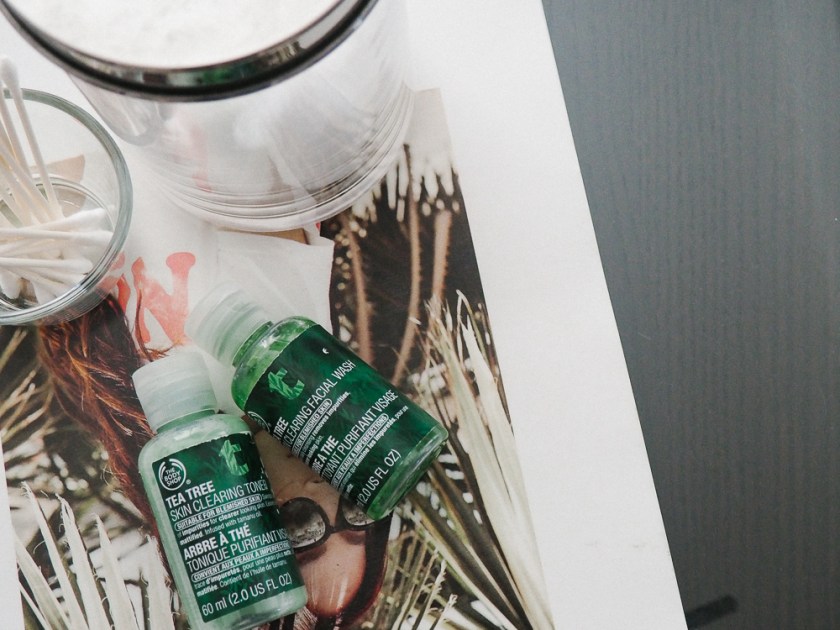
  3. The Body Shop. Their vegan Tea Tree line is everything I love in one tiny bottle. Besides improving my teenage-acne-prone-skin from back in the day, each use always left my face feeling extra fresh and super clean without over-drying my skin. (Price Range $10-$50) 
  4. Nourish Organic. Started in 2003, Nourish Organic is the first USDA certified organic skincare collection. Today, they carry facial products, beauty body lines, oils, serums, and deodorant that are USDA organic certified, Oregon Tilth Organic Certified, Cruelty-Free Certified, Gluten Free Certified, and Vegan Certified. (Price Range $10-$50) 
  5. Aromatica by Peach & Lily. Like Aromatica, many brands are moving towards a cruelty-free process too (those that are not will be clearly marked as such on the website). Committed to using the highest grade ingredients, you will wake up to flawless skin every day. (Price Range $10-$50) 
  6. Soko Glam (re:p line). Since popularizing the 10 step skincare routine, Soko Glam has been a big name in Korean skincare. Recently, Charlotte Cho of Soko Glam shared the brand’s commitment to using organic and natural materials that will not be tested on animals, now or ever. (Price Range $40-$50) 
  7. REN. REN uses only 100% plant and mineral based ingredients for the purest skincare product line for improving skin tone and overall appearance. Most of their products are vegan unless otherwise listed. (Price Range $20-$50) 
  8. Belif. Soothe, calm, and hydrate your skin all in one. Belif uses no animal origins, dyes, or artificial fragrances. They focus their brand on true honest products rather than excessive ads or marketing, which is why you probably haven’t heard much about the brand — yet. (Price Range $20-$60) 
  9. Beyond. I love their ‘eco-beauty philosophy.’ Beyond has a strong stance against animal testing and a commitment to using all organic and all natural ingredients. They make everything from facial washes and serums to shampoos and conditioners, all with eco-friendly principles in mind. (Price Range: Please see website for more) 
  10. Kora Organics. I can’t wait to try this one. Miranda Kerr’s new beauty line, Kora Organics, is certified organic, natural, and vegan (yes, vegan!) for a product that replenishes and transforms your skin into a beautiful healthy glow. (Price Range $25 – $65)
  11. Arbonne. Derived from botanically based ingredients such as herbs, roots, flowers, seeds, or leaves, this beauty line is cruelty-free earth-friendly, pure, and safe for all skin types. (Price Range $25-$80) 
  12. Herbivore. It’s the perfect everyday facial oil to supercharge your skin. Started from the kitchen of a husband and wife duo, Herbivore products are made from scratch and tested on people. The raw earth materials combined with vitamins, minerals, and botanicals create the highest quality oils that help restore your skin to its optimum health. (Price Range $10-$100) 
  13. Aesop. Who hasn’t fallen in love with Aesop yet? The brand is against animal testing and is committed to the use of all natural ingredients. With skin, hair, and body care products deriving from plant-based ingredients, these products don’t just leave your skin feeling baby smooth, they smell great too. (Price Range $15-$300)
  14. Le Labo. Finally, a fragrance brand built on passion and humane practices. Their secret? Test all products on New Yorkers, never on animals. All their perfumes are personally handcrafted — from the flowers they pick, to their formulated process and their final packaging — for the premium luxury experience. (Price Range $45 – $950)  

Due to their organic and natural plant-based ingredients, most of these cruelty-free products will make your wallet cry. This is a huge bummer and a big deterrent for those who don’t want to/or have the means to shell out hundreds of dollars for skincare. I tried to list brands with a diverse cost range, but I think there’s more we can share. Do you have any favorite cruelty-free products have you used?

Cheers,
Jennifer

Disclaimer: all brands listed above are cruelty-free, however, not all of them are listed as vegan. Please check the individual website for the certified vegan mark. 

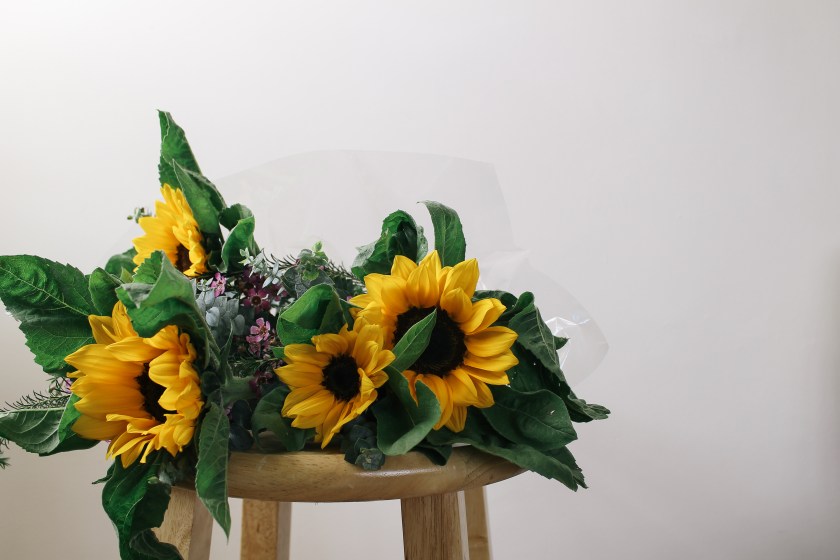
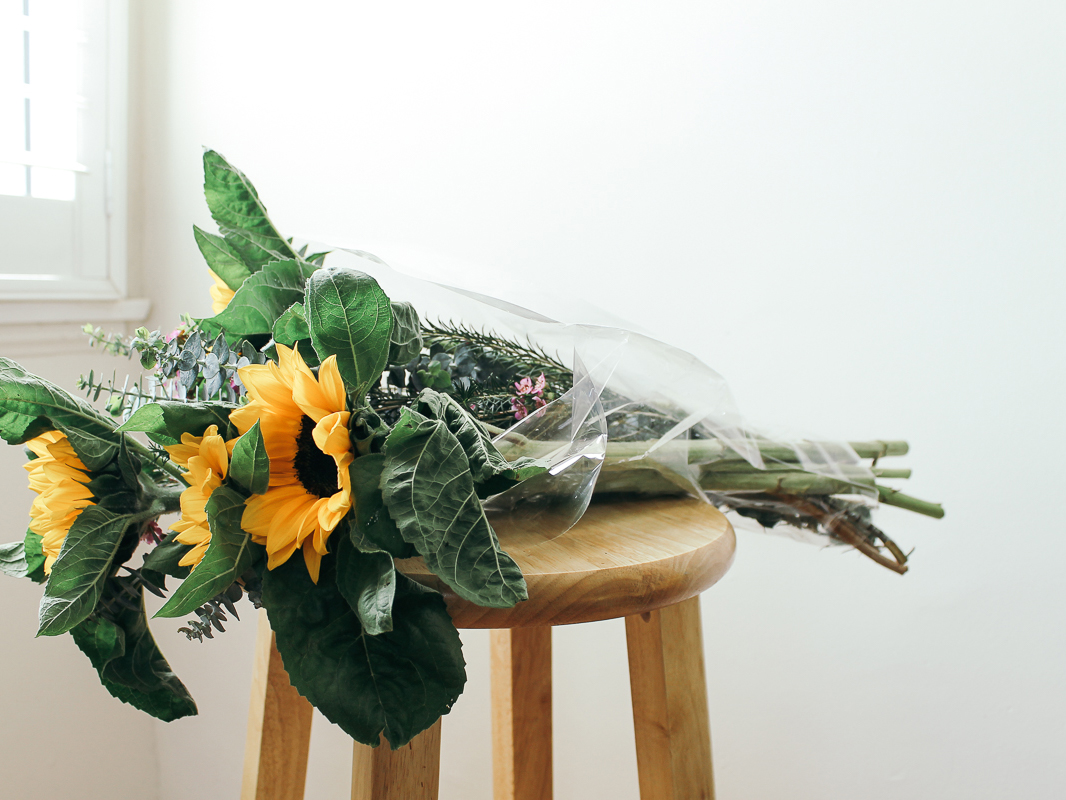
Sunflower bouquet on a wooden chair

11 Easy Ways To Green Up Your Office Space

For those who work 40 plus hours in an office, it becomes more than just a workspace — it’s our main social environment and our home away from home. With so much time spent at the office, it makes sense that we want to bring our sustainable lifestyle to our professional life. Here, we have gathered 11 easy ways to green up your office space.

11 Easy Ways To Green Up Your Office Space

1.Recycle Your Office Goods. If you take the time to sort through your office junk, you’ll find a lot can be recycled. Recycling paper, paperboard, and cardboard alone will reduce more than 40% of office waste! To get started, set up separate bins for paper, plastic, and landfill. Then at the end of each month, take them to a recycling center and recycle your goods.

Tip: Petition to ban the usage of plastic water bottles from your office. We love communal water stations such as a Brita filter or a filter that can attach to the kitchen faucet.

2. Choose Reusable Utensils. The next time you have lunch, think twice before you grab a plastic fork from the office cubby. At most, disposable plastic utensils will only be used once before they are thrown away. Talk about wasteful! Commit to using a reusable utensil that can be washed and used again, and again.

3. Green Up Your Stationery. It’s hard to believe how much waste we produce from a day at the office. Ink cartridges, pens, paper, post-its, and paper clips — among other things — don’t have to contribute negatively to the environment. Below is a short list of  websites of items you can either refill, reuse, or recycle:

4. Reduce Your Carbon Footprint. Get this: according to Climate Central, in September 2016, the global carbon dioxide concentration in the atmosphere surpassed 400ppm, never to lower again in our lifetimes (on average a safe level is 350ppm). The last time it was this high, humans did not exist! As living inhabitants on Earth, we have polluted the atmosphere so significantly that it’s becoming unsafe to live here (read more about climate change). The only way to reverse this is to switch to renewable energy, energy efficiency, and sustainable farming practices. You can help on another scale by making small changes in your everyday work life:

  • Take public transportation
  • Walk, carpool, or bike to work
  • Carpool with your coworkers to lunch
  • Opt to eat at a local eatery that is within walking distance
  • Bring your own lunch

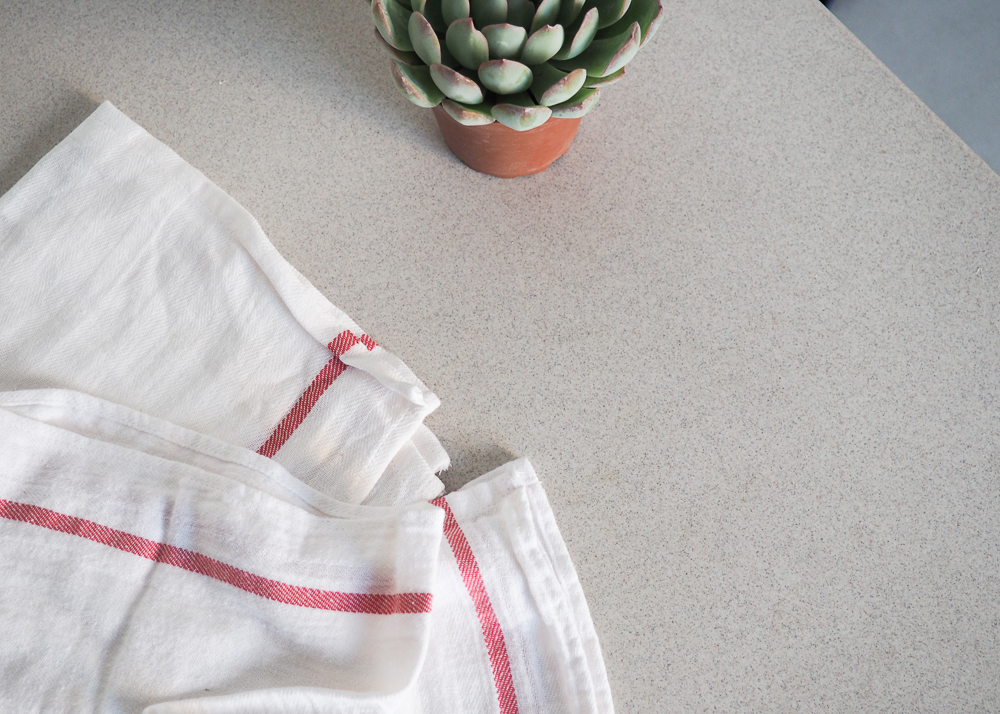
5. Switch from Paper Towels to Cloth Towels. Coffee spillages at the office are a common thing. Get more mileage out of cleaning supplies with reusable cloth towels. These absorb more liquid, reduce the use of paper, and last a whole lot longer. Triple win!

6. Clean with Green Products. In addition to switching to cleaning with a cloth towel, clean your desk using eco-friendly products too. It’s good for the environment and better for your health. Who wants to inhale or absorb toxic chemicals anyway? Use websites such as EWG’s Guide to Healthy Cleaning, GoodGuide, and EPA Safer Choice to find green products.

7. Go Digital. In an age when technology dominates our lives, some people are going back to the simpler times when the paper was mostly used. Unfortunately, it’s the lesser eco-friendly option. When you can opt to reduce paper in a given workday by typing and transferring files through online mediums. Reduce your company’s delivery of paper junk mail with Catalog Choice or Direct Mail. If you do need to print, make sure to print double-sided on recycled paper.

8. Turn the Power Down. There’s no escaping it, we all need electricity to power our computers, phones, tablets, printers, and more. You can save power by:

  • Using ENERGY STAR or EPEAT Certified appliances
  • Switching light bulbs to LEDs
  • Turning off appliances and lights when not in use
  • Using smart, power-saving outlets
  • Putting a screensaver on your computer
  • Adjusting the thermostat to 78 degrees in the summer and 68 degrees in the winter

9. Green Up Your Food. Need a new way to bond with your coworkers? Share your goods. Buy office snacks in bulk to reduce plastic packaging that eventually ends up in our landfills and oceans. Opt for fair trade coffee or tea for the office break room.

10. Circulate Air Flow With Natural Plants. Natural plants help purify the air, liven up the office space, boost your productivity (happiness too!), and create a serene decor for your office cubicle. Some great indoor plants that don’t require spraying, synthetic fertilizer, and little to no supplemental watering are: spider plant, snake plant, succulent, cactus, lemon balm, water lettuce, philodendron, and peace lily.

11. Compost Your Kitchen Scraps. Why throw your leftovers, apple cores, orange peels, or coffee grinds in the trash bin when you can throw them in a compost bin instead? Composting is a sustainable way to reduce food waste and once decomposed, becomes a great fertilizer for your indoor plants. Get started with composting here.

Sunflower bouquet on a wooden chair

Your office home can be as comfortable and eco-friendly as your house back home. If we each contributed to any of these tips on a daily basis, we will be able to make a huge impact in reversing the throwaway society we live in. Let us know how you decide to green up your office space. Snap a photo of your new space and tag us @tinycaravan on Instagram.

Cheers,
Vivian

Cloth Towel

Is it Better to Flush or Toss Your Toilet Paper?

Americans go through hundreds of toilet paper rolls per year and each person disposes it in different ways. In my household, my mom taught me to throw used toilet paper in the trash can. In other homes, toilet paper is flushed it down the toilet. Since becoming more aware and eco-conscious about my daily habits, I started to wonder, which method is more sustainable? Is it better to flush or toss your toilet paper? After doing some research of my own, here is what I found.

Is it Better to Flush or Toss Your Toilet Paper?

I can’t confirm that either one is good for the environment. Though, when we look at the lifecycle of each alternative, from the production process to the end of toilet paper’s usage, one option can be viewed as “better” than the other. Here’s why:

What Happens to Toilet Paper When You Flush It?

Most toilet paper rolls are made from short fibers that make it easier and softer to break down through a sewage system. When you flush, 95% of the toilet paper dissolves in water. Sadly, the other 5% contributes to sludge during the treatment process and can sometimes end up in the landfill or on a farmer’s field. In addition, the bacteria that breaks down the toilet paper release carbon dioxide — a greenhouse gas — as their byproduct. As we all know, greenhouse gases are extremely bad for the environment.

What Happens Toilet Paper When You Toss It?

Toilet paper that makes it in the trash end up in landfills. Landfills take up a vast majority of land and leach harmful chemicals into the environment. One harmful chemical is methane, a common gas produced from landfills that is a more potent greenhouse gas than carbon dioxide. In the long run, this is more dangerous for the environment. Plus, it will take years for the toilet paper to break down and decompose.

In comparison, from a sanitary and greenhouse gas perspective, flushing is the better option.

However, both still contribute harm to the environment. In general, toilet paper is wasteful and non-recyclable. They are made from trees taken from endangered forests. The last thing we want is to contribute to deforestation. The process itself is also harmful from bleaching the papers to packaging and shipping them. So what can you do? 

Alternatives to Flushing and Tossing Toilet Paper

Use “Recyclable” Toilet Paper. This is a bit tricky since recycled toilet paper have been found to contain BPA and BPS (what!). These chemicals are endocrine disruptors that can cause cancer, birth defects, heart disease, and all sorts of bad stuff. Highly recycled paper is made out of ‘thermal paper’ which are coated with BPA to reduce ‘fading’. (Scary). If you opt for this option, look for toilet papers with the words: BPA-free, chlorine-free, 100% recycled, and unbleached. 

Brands We Love: Emerald, Seventh GenerationWho Gives a Crap

Use a Bidet. That’s right! It’s quite common to see a bidet in other countries around the world other than the United States. A bidet is a water cleaning device that fits onto the toilet. There are different buttons to control the water pressure and temperature when the water shoots out. Instead of cleaning your sensitive areas by wiping, the bidet does the job for you. (Sweet!). No toilet paper needed. No waste created. 

Speaking of a bidet, if you don’t like the idea of a device shooting water up your booty, you can always use your hands and water. We spoke with a couple of our friends who already do this, and they say it’s a lot cleaner than using toilet paper. Just clean your sensitive areas once with one swipe of toilet paper, then finish off with a bucket of water using your hands to scrub (we know, it sounds really weird. But once you try it, it’s not as foreign!).

Switch to Cloth Toilet Paper. Okay, also really weird at first too — I know what you’re thinking, but hear me out. Using cloth as a toilet paper substitute is already reducing the need for wasteful paper ones. It’s cleaner, softer, more affordable, and extremely eco-friendly. It can be sanitary if done correctly. This website carefully outlines everything you need to know and how to get started. It’s quite interesting!

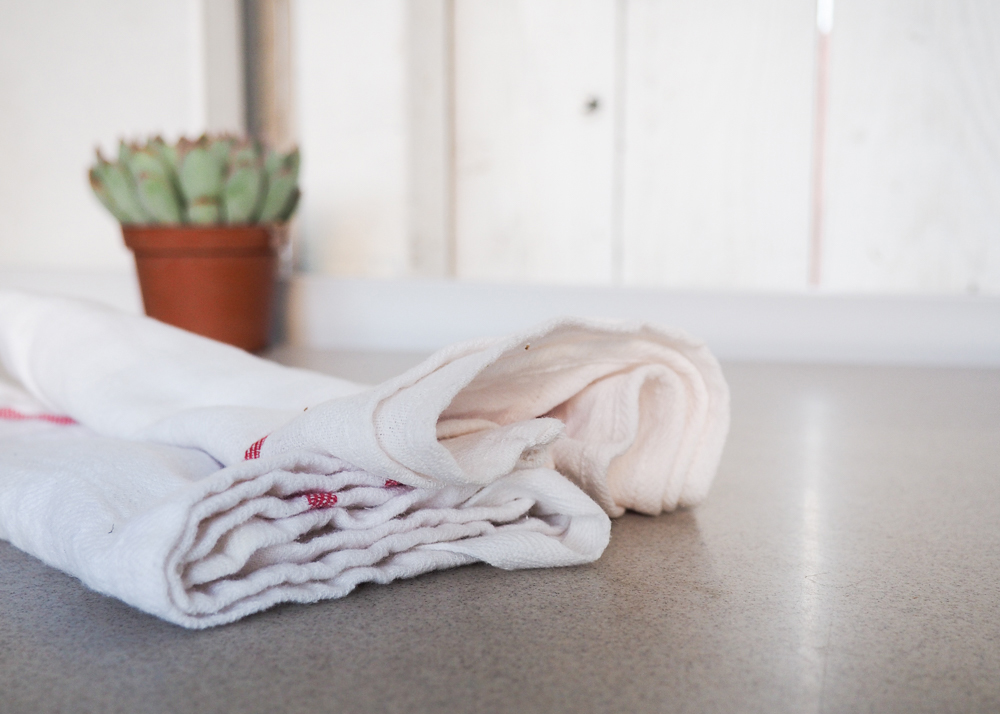
Cloth towel
Cloth towel

A majority of us continue to use toilet paper every single day. It’s such a norm in our culture that we don’t stop to think about its impact on the environment. By switching to a more eco-friendly approach we’re taking a huge step towards a more sustainable lifestyle. Have you tried any of the alternatives mentioned above? Let us know your thoughts in the comment section below!

Cheers,
Vivian

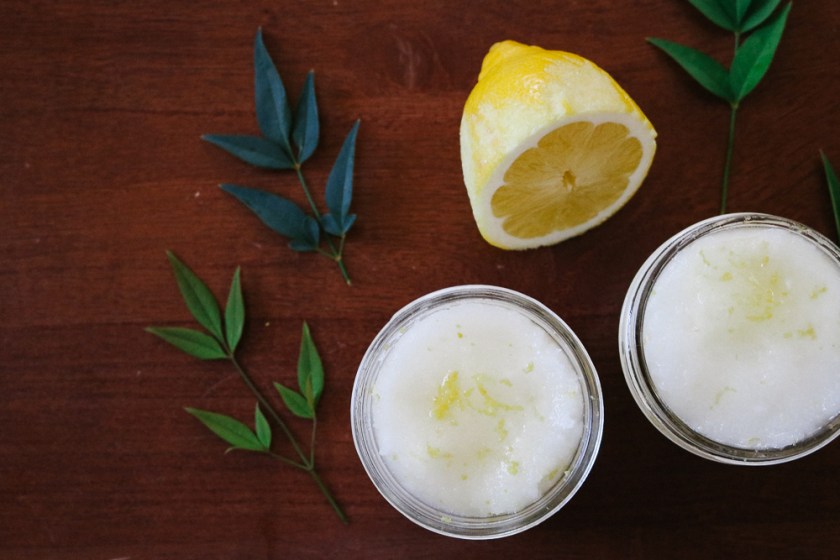
easy-all-natural-lemon-sugar-scrub-in-mason-jar

To DIY: Easy All Natural Lemon Sugar Scrub

Being in the constant outdoors takes a toll on our skin and our skin care routine. When camping, we’re happy living hassle free — and limiting the time needed to wash up is one of them. On most nights we end up asleep with dirty and sweaty faces cleansed with only unscented baby wipes. Only when back at home do we try to restore the damage that was done. As outdoor enthusiasts, we’re fixated on the use of natural ingredients on our delicate skins. Which is why we made our own chapsticks (a product we’re still trying to perfect) here. This time, we experimented with this easy all natural lemon sugar scrub in an attempt to revive, cleanse, and brighten our sun kissed skin. (More below!)

Read More