Latest Posts

Photo of Joanne

Zero Hour Story: Joanne, Fashion Lover & Planet Saver

Joanne is a sustainability advocate with a degree in Fashion Design and Environmental Science. Growing up around the fast fashion industry in Los Angeles, she wanted her environment-loving values to align with her actions. Joanne is on a journey of changing her consumption and consumerism habits; acknowledging what they are, while minimizing her shopping, meat intake, and plastic usage.

What does ‘sustainability’ mean to you?
Sustainability is doing my best so we can all continue to live on this Earth. I think of the recycling symbol and how everything comes back in full circle. The Earth has a special place in my heart and I don’t want to see her die –– it’s the only home we have.

What initially sparked your interest in sustainability?
When I was a student pursuing my B.S. in Environmental Science at UC Davis, the dining hall would put sustainability facts on the napkin holders that said, “this napkin was made from recycled tissues,” or “the dining hall composts 96% food waste.” The classes and my college environment [UC Davis] definitely nurtured my awareness.

Why did you decide to pursue studies in Sustainable Fashion?
My senior year of college, I asked myself the question most graduates ask, “What am I going to do with my life?” It was my dad who introduced me to the idea of going to fashion school. My family works in the fast fashion industry and I always wished the process was more sustainable. I want to bring back sustainable values and ideas to help make the [fashion] industry more eco-conscious.

Has studying fashion affected your view on what it means to be sustainable?
At Parsons, there is a zero waste class where students make full garments without cutting any fabric. Garment cutting creates at least 3% of textile waste. However, when you use the whole fabric or knit, you lose nothing and there is no waste. It made me think of other things too, like the materials we use for clothes. Most of our clothes are made with plastic materials [polyester/rayons], and when a piece of clothing gets thrown away, the plastic will live forever in landfills. There are better alternatives with organic cotton or organic wool.

There’s also the fact that people will buy something and then never wear it. It never gets to be loved and that’s so wasteful. When I buy clothes now, I think 3 years from now, would I still love it and wear it? If the answer is “no,” I don’t buy it.

I am also more aware of ethically-made clothes where workers are paid better wages and work in better, safer environments. It gives me better peace of mind when I know what I’m putting on my body.  

“I want to bring back sustainable values and ideas to help make the [fashion] industry more eco-conscious.”

What’s one interesting thing you learned from working in the fashion industry?
I worked at a men’s clothing company where clothes are customized based on your personal body measurements, similar to bespoke. A thing about clothes is that when brands make them, oftentimes they have a specific body type in mind and yours may not match their target customer. But there are so many different body types in the world, some clothes are bought and are never worn because they don’t fit right. It’s such a waste. With custom-made clothes, they are guaranteed to fit better and are commonly made with better quality materials.

Why don’t you think there is a higher demand for consciously made clothing?
When my cousin’s sweater brand [@dreamersbydebut] launched an eco-friendly line, she put out a survey asking people about their demand to buy it. The results came back and most responses were along the lines of, “We would buy it if it was more affordable and easily accessible.” For people to care, you have to make it convenient for them in terms of cost and how fast they can get it. It’s unfortunate that sustainable brands are more expensive. How can someone afford a basic $50 organic t-shirt? It’s a constant struggle because most are not able to spend so much when there are other living expenses to think about.

Are there alternatives to fast fashion?
I follow three rules when it comes to shopping: (1) wear what I have (2) thrift shop (3) purchase from sustainable or B Corps certified brands. One thing this experience has taught me is to be more conscious about what I buy –– it took me a year before I bought my first pair of shoes from Allbird Shoes, but I love them and get so many compliments.

We’ve heard of Allbird Shoes! Do you follow other eco-conscious fashion companies?
I love Reformation, who gears towards accenting femininity by using recycled fabrics, but their clothes are so expensive. There’s also Everlane, who are completely transparent about where their clothes are made and the real cost of a t-shirt including fair labor. But the best solution is to go thrifting and maybe with some luck, secondhand Reformation or Everlane.

What’s your take on being a conscious consumer when it comes to fashion?
Greenwashing is very real and there are companies who are not completely truthful about their practices or the materials they use. Yet, they market themselves as eco-friendly. As a result, people are misinformed, which makes it harder to make better choices. Before you buy something, keep a curious mind: do your research, find the facts, keep asking questions, and get to know the process behind the brand’s practices. “Good on You” App or web extension is a helpful tool to use.

“I try to be conscious of my purchases…but sometimes you just have to live life, so if I really want cheese, I’ll indulge and eat cheese! Life’s too short to restrict happiness.”

How do you personally incorporate sustainability in your everyday life?
I try to bring lunch to work everyday or bring my metal container to eat the catered lunch. I try to find a shop at farmers’ markets to get local produce with less carbon footprint or use my “Life without Plastic” cloth bags and stick to the outskirts of the supermarkets, where there’s fresh produce. Once I bought bread at Whole Foods and used my reusable cloth bag. It saves money and it can be healthier! When I eat out, I’ll opt for vegetarian dishes. I love food so it’s a constant struggle [haha], but I try to do it for the Earth.

If all else fails, I’ll look for recyclable/cardboard containers –– so you know, the product’s life cycle doesn’t have to end there, in one use. I carry around my own reusable utensils and straws so I never have an excuse to use plastic ones.

What do you find to be the most challenging part of living sustainably?
Overall, I try to be conscious of my purchases. It’s not always easy though and sometimes I feel restricted. When I need work clothes, I’m not sure where to go. But you know, sometimes you just have to live life, so if I really want cheese, I’ll indulge and eat cheese! Life’s too short to restrict happiness.

“Trying to be more sustainable is something everybody can work on. It’s not a competition and one person can’t do it all. With all the destruction that is happening in the world, if I can do something to offset it, then that is worth it to me.”

What’s a misconception people have about sustainability?
The journey doesn’t have to be perfect. At the end of the day, doing something is better than doing nothing. I really believe little things add up and will make a difference.

What keeps you motivated to stay in the fight for a more sustainable world?
I think of the gorgeous places and national parks in the world. They are so beautiful and one of a kind –– I can’t bear to take that away. There is only one Earth and we need to protect this special place. I constantly have this image of landfills in my head. We produce and consume so much, one day we will suck up all the Earth’s resources. Trying to be more sustainable is something everybody can work on. It’s not a competition and one person can’t do it all. With all the destruction that is happening in the world, if I can do something to offset it, then that is worth it to me.

Any last words?
Composting is a lot easier than most people want to believe. The perk is that you’ll create less waste so there will be fewer trips to take out the trash. If you’re worried about the smell, leave your compost in the freezer. It’s also very important to meet and be surrounded by like-minded people. Sometimes you may feel alone, but you’re not. Also, don’t push your beliefs onto others.

Follow Joanne and her fashion adventures @joann.eco or joannedkim.com.
what's your #zerohourstory (blog)

Read more about our Zero Hour Story: What’s It All About series.


*This interview was modified for the purpose of the series.
Sierra Nevada Mountains

This Is Not Our New Year’s Resolution

New Year’s Resolutions have a bad reputation. The meaning behind it is a virtuous one though –– the idea that a new year can serve as a marker, a refresh button, or a time for positive changes. We’re glad that it excites people and motivates them to do something different, but sometimes resolutions can lead to unrealistic goals and unfinished ideas. Our perspective: make goals that you would have made anyway, new year or not. We don’t like to think of it as “new year, new me,” but about building on what we already started.

While we don’t make “New Year’s Resolutions” ourselves, we do try to continue to implement conscious intentions in our lives every year. Below are a few things we like to keep in mind:

  • Be honest and realistic. Implement changes that are possible to accomplish because “big” ones can make you feel discouraged. You know what you’re capable of; start small and use the first few steps as building blocks to reach the big picture.
  • Have patience. Life happens in stages; goals don’t change overnight and neither do you.
  • Be flexible and open to change. What you think right now may be different tomorrow, a few weeks from now, or even a few months from now. Sometimes plans need to be adjusted, know this and adapt to it.
  • Recognize how far you’ve come. Don’t undermine your accomplishments –– whether big or small we think each step towards positive changes deserves a pat on the back. We can be our toughest critics, but we also need to be our biggest supporters too.

Lastly… try, fail, and try again.

What We Plan to Focus On This Year

JENNIFER
“I’ve been trying to be more conscious about living mindfully and I hope to continue the effort this coming year. It’ll help that I will be moving up to San Francisco, a city known to be progressive in the green movement. I’m looking to join organizations and communities (if you know any in the bay area, please send a DM), and the city will help me learn more about composting, thrifting, and reducing my waste. For me, resolutions are not goals to check-off my to-do list. I try to make active choices that are productive to my long-term growth and lifestyle. When we realize the impact of positive changes, we’ll continue to foster them –– and that progress will live past the new year. I hope to share that with the Tinycaravan community, starting with our Zero Hour Story series.”

VIVIAN
“Last year was a rough year for environmental politics. The good thing is, it has further motivated me to be more active in the environmental space, more mindful of my actions, and more outspoken about issues I care about. I want to continue to grow, challenge, and foster these ideals by getting involved with my community and environmental non-profits –– not just this year, but many years to come. Even though I don’t practice New Year’s Resolutions, it is a way to motivate people to make changes in their lives –– but it’s just as important to learn how to execute them effectively and efficiently. I’m excited to learn more about living a sustainable lifestyle, implementing that into my own, and educating others so that they may do the same.”

What do you think about New Year’s Resolutions? Do you have tips to help keep them?

Cheers,
Jennifer and Vivian

Zero Hour Story: Tamara, Outdoor Enthusiast

Zero Hour Story: Tamara, Outdoor Enthusiast

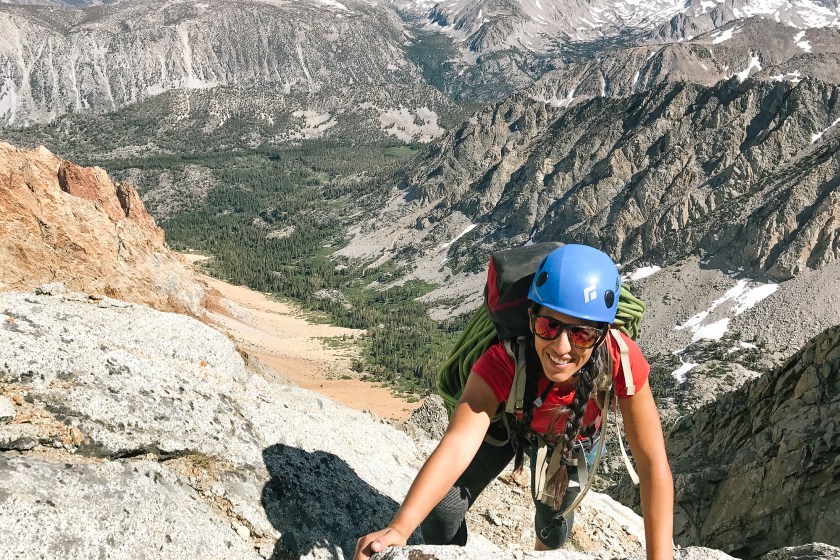
For a number of years, Tamara worked in the outdoor environmental education field teaching youngsters to love, care for, and protect the environment. Today, she currently works as a geologist at an environmental consulting firm. Always happy to expose others to the outdoors, she took us on our first backpacking trip in the Sierra Nevada where she taught us the importance of knowledge and caring for the outdoors. Tamara is a kid at heart and always inspires us to take on greater adventures.

What sparked your interest in the environment?
I’ve had an interest in the environment from a very young age. In the days before the internet, we had catalogs called Scholastic Books, and I remember flipping through the pages when 50 Things Kids Can Do To Save The Earth caught my eyes. I remember thinking, “I want that! I want to save the Earth!” But the tips ended up being things like putting a brick in your toilet, and I thought, “that’s not saving the Earth…” As a kid, I wanted to fix everything and it took me a long time to realize little actions add up to a lot.

How did your involvement in the environment grow?
The first time I went camping was during a geology trip in college. In that class, I met a friend who worked for the outdoor recreation program at UCLA. She took me under her wing and taught me a lot about the outdoors, like how to pee and how to navigate being outside. I tagged along on a couple of her trips and she helped me get into the outdoors that way. Between my Junior and Senior year, I had a friend who worked for the concessionaire at Yosemite National Park and suggested I do the same. So I applied, got the job, and packed my car to go live in Yosemite for the summer. I worked at the tour desk and it was a life-changing transition in my life. I knew that this was what has been missing –– I’ve never figured it out until then. Soon after, I got into backpacking and climbing and that’s how it happened.

What is your perspective on sustainability?
The environment and sustainability are definitely connected. As humans of the planet, we are not always attuned with the impact of our daily lives and how that impacts the world. Sustainability can be an overwhelming concept for people. Part of it is people think, “I’m just one person, what can I do?” So they experience a sort of paralysis and end up not doing anything.

“Spending time in beautiful places makes me appreciate the natural world. I feel more connected to the environment because I’m in it and I see it.”

Can you talk about small actions you do to try and live more sustainably?
A lot of these are popular now, but I’ll bring my own grocery bags to the store, limit my plastic usage, and cut down on waste. Being a conscious consumer is a large part of living more sustainably too. The economy is driven by money and where I put my money determines what will get produced [because money is power]. Sometimes it’s difficult; we are raised on the idea of capitalism where buying “stuff” is cheap and convenient. We can go on Amazon, purchase something, it’ll show up at our door, and we’ll get a rush of happiness in our brains. I think it’s good to ask ourselves, “Do I really need this?” when shopping.

Do you have tips on being a more conscious consumer?
A resource I like to use is the Better World Shopping Guide. It’s a pocket guidebook that outlines companies and gives them each an A through F rating based on different criteria, like “how a company treats their employees” or “if a company gives charitable donations to the environment.” Ultimately, I want to use my money to support companies who do good things. But it’s not always easy because to be a conscious consumer, I have to put a lot of thought and energy in purchasing an item. Sometimes I just need to get through life and not have to spend hours [at the grocery store] deciding if my bread is the most sustainable brand.

What has been the most challenging part of living a more sustainable lifestyle?
I think picking and choosing what you want to focus on can be challenging. My own philosophy is to eat in moderation and not waste food. I’ll eat my leftovers and freeze food that is about to go bad –– sometimes due to poor planning I throw away food that has expired and that makes me very sad. I’m not a vegetarian, but I do this “reduced meat diet” that I’ve sort of made up and have done for several years. I don’t cook meat at home and will only eat meat when I am out, when others cook for me, or if I have people over and they want something like chicken.  

Has being in the outdoors affected your views on the environment?
Spending time in beautiful places makes me appreciate the natural world. I feel more connected to the environment because I’m in it and I see it. It’s hard to not want to protect the Earth after being exposed to it. There are not many wild places left in the world.

Has this perspective made you more aware when you’re in the outdoors?
When I’m hiking and camping, I follow the Leave No Trace Principles. These are ground rules to follow so you’re not trampling over flowers or sensitive areas, taking things from the environment back home, or leaving your own waste improperly. Human waste is a big problem. For example, after the summer season in Yosemite, when millions of visitors leave, there is litter everywhere. If one person is thinking, “I’ll just drop this gum wrapper here,” and then everyone else thinks the same, at the end of the summer the park is a trash haven. It goes to show that if one person drops one thing it really adds up. It’s important to do our part as an individual.

“There needs to be a balance of both knowledge and caring to have a positive impact. And it’s not just for the environment, it can be applied to anything.”

Having worked in the outdoor industry, you’re knowledgeable in caring for the natural world. Can you tell us a story about how you applied that knowledge when you’re in the outdoors?
I recently camped in Utah and we didn’t have toilets. When we needed to poo, we couldn’t dig a hole in the ground because we would ruin the living soil. Utah has these living soils called Cryptobiotic soil, an organism that lives on top of the soil and takes hundreds of years to grow. They’re important to the ecosystem and when disturbed can take decades to grow back. That’s why it’s so important to be aware of our surroundings. If we go off trail –– even if we dig a hole to poo, we’re essentially hurting the ecosystem. Instead, we had a groover to do our business. To mask the smell, we added kitty litter and then one lucky person will have to take care of the box. I know it sounds gross to some people, but we love the land and we want to protect it, so we do this. When I go camping in the winter, I would bring brown paper lunch bags filled with kitty litter to poo in. These would be thrown in a paint bucket that was strapped to sleigh and be hauled out when we left. We called it the “poo sled”. I haven’t had to haul one out … yet.

What would you say to someone who doesn’t think they can make a difference?
One of the quotes we used to share with students is, “Never doubt that a small group of thoughtful, committed citizens can change the world; indeed, it’s the only thing that ever has,” (by Margaret Mead). Thinking back to when America had all this wild land –– people saw it as endless and abundant land to exploit, so they mined minerals and cut down trees. When people realized they were diminishing our resources, a small group of people decided to set aside some of these lands to preserve them and that idea grew into the National Park system. Don’t doubt that small changes add up.

Any last words?
At my first outdoor education job, we followed a motto to teach knowledge and caring. It’s one thing to be educated about the environment, but if you don’t care, you won’t implement the knowledge. The flip side is, we have people who care, but they don’t have the knowledge to apply it. For example, when people feed squirrels in a national park, they are coming from a good place and had no intention of hurting the animal. But feeding a squirrel can do more harm than good; the squirrel will become dependent on human food and be more aggressive in seeking it. There needs to be a balance of both knowledge and caring to have a positive impact. And it’s not just for the environment, it can be applied to anything.

what's your #zerohourstory (blog)

Read more about our Zero Hour Story: What’s It All About series.


*This interview was modified for the purpose of the series.
zero hour story (cover photo)

Zero Hour Story: What It’s All About?

According to dictionary.com, “zero hour” is (1) a time at which an unusually significant or notable event is scheduled to take place and (2) a time when a vital decision or decisive change must be made.

We’re excited to announce, Zero Hour Story, a new story series where we share our community’s thoughts on the green movement, living sustainably, and traveling consciously. For the series, we chatted with our closest friends and families to share stories of real and relatable lives. After all, you don’t have to be wealthy, work in the environmental industry, or be an avid activist to make a difference. You just have to care and act with effort. Try, and try again. We hope Zero Hour Story serves as a guide for those who feel a responsibility and want to do something about it, but aren’t sure how to get started.

But why the name zero hour?

Silently taking action in our own lives was no longer enough. We want to bring awareness to those inside and outside our circle. In the past, we were shy about bringing up environmental issues or speaking up when we needed to because it made people uncomfortable. But we want to change our attitudes and perspectives on that. While we’ll never push any of our beliefs onto others –– that’s never fun or effective –– it’s time we made a change in the way we approach the things that are important to us. And this planet is important. It’s not just about having a few people making huge impacts, the Earth needs more people making small, but consistent impacts in their everyday lives. Everyone that has been a part of this series embodies this and we can’t wait to share their stories with you. We hope each story excites you and inspires you to take positive action for the environment.

If any of this sounds interesting to you, feel free to subscribe to our website to be the first to hear about the Zero Hour Story series. Have questions or know someone you think we should interview? Email us at tinycaravan@gmail.com, we’d love to chat.

Thank you for taking the time to read about something that is important to us. Talk to you soon!

Cheers,
Jennifer and Vivian

zero hour story (blog)
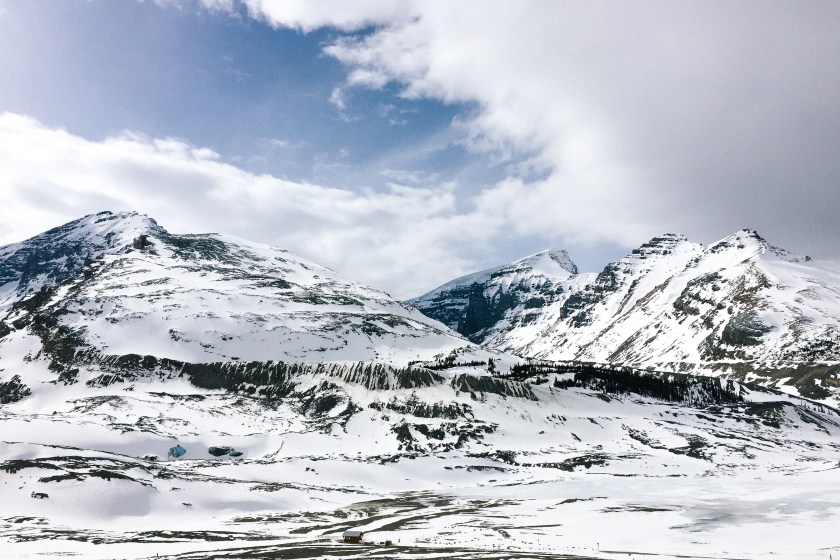
Canadian Rockies

What We’re Watching: “Chasing Ice”

For the month of December, we decided to watch Chasing Ice, a 2012 award-winning documentary about the effects of climate change. The film made its first TV debut on National Geographic and since then have been screened in over 172 countries.

The film documents James Balog, an environmental American photographer, on a quest to photograph the most powerful issue of our time: the interaction of humans and nature. Balog chose to tell the story of climate change and to “photograph climate change in a way that would make interesting photographs, and the only thing that made sense, and sounded right, was ice.” With his project, Extreme Ice Survey (EIS), Balog and his team set up a total of 25 cameras in Greenland, Iceland, Alaska, and Montana, to capture a photo of active glaciers every hour, for 3 years.

Beautifully made,
Chasing Ice took us on a journey of emotions with its moving storytelling and cinematography. The images and videos Balog and his team captured were so powerful, we could never forget them. The film left us moved, mesmerized, and shocked by the evidence shown. Before he embarked on the project, Balog claimed he was skeptical about climate change –– “I didn’t think that humans were capable of changing the basic physics and chemistry of this entire huge planet. It didn’t seem probable, it didn’t seem possible.” But Chasing Ice provides real visual evidence of climate change in a way that has never been documented before. For believers and (perhaps, previous) non-believers, it’s clear that the evidence is real –– you’ll believe it and understand it.

We hope this film inspires those who watch it to take action against climate change. In Balog’s words, “We as a culture…we’re forgetting that we are actually natural organisms and that we have this very, very deep connection and contact with nature. You can’t divorce civilization from nature. We totally depend on it.”

You can watch Chasing Ice on Netflix now while it’s still “free”! Those that have seen it: were you as moved as we were? What are your thoughts?

Cheers,
Jennifer and Vivian

To Eat: Myrtle Tree Garden Cafe & Market

It’s that time of year, and we just celebrated with our first annual “Tinycaravan Holiday Party” – which was really just a day to hang out and catch up. For the event, we wanted to dine at and support a small local business. After few searches, we found Myrtle Tree Garden Cafe & Market, a relatively new market and eatery located in Monrovia, California. The place ended up being such a wonderful place to spend a Sunday afternoon.

A little bit about Myrtle Tree Garden Cafe & Market: They opened their doors in May 2016, providing natural, organic, and healthy foods to the local community. In support of sustainable and organic practices, they seek out and help support local farmers throughout California. We later discovered on their website that they operate three farms, all of which are utilized to provide seasonal fruits, vegetables, and herbs at their cafe. Being one part cafe and one part market, there’s also a great selection of wine, cheese, and deli meat too. More about Myrtle Tree Garden Cafe & Market.

ON THE CAFE

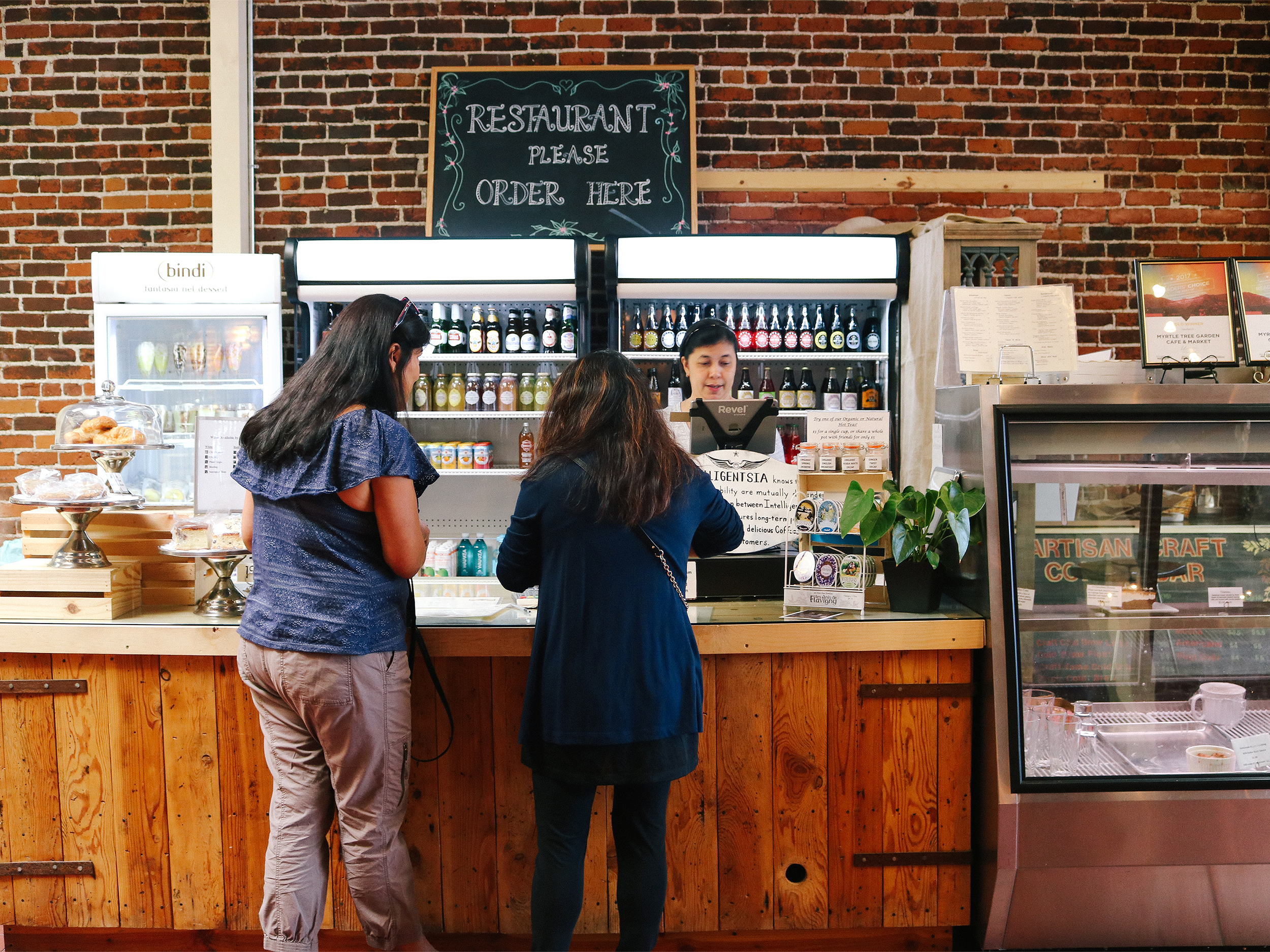
customers ordering food at the counter

Order at the counter, get a number, and seat yourself.

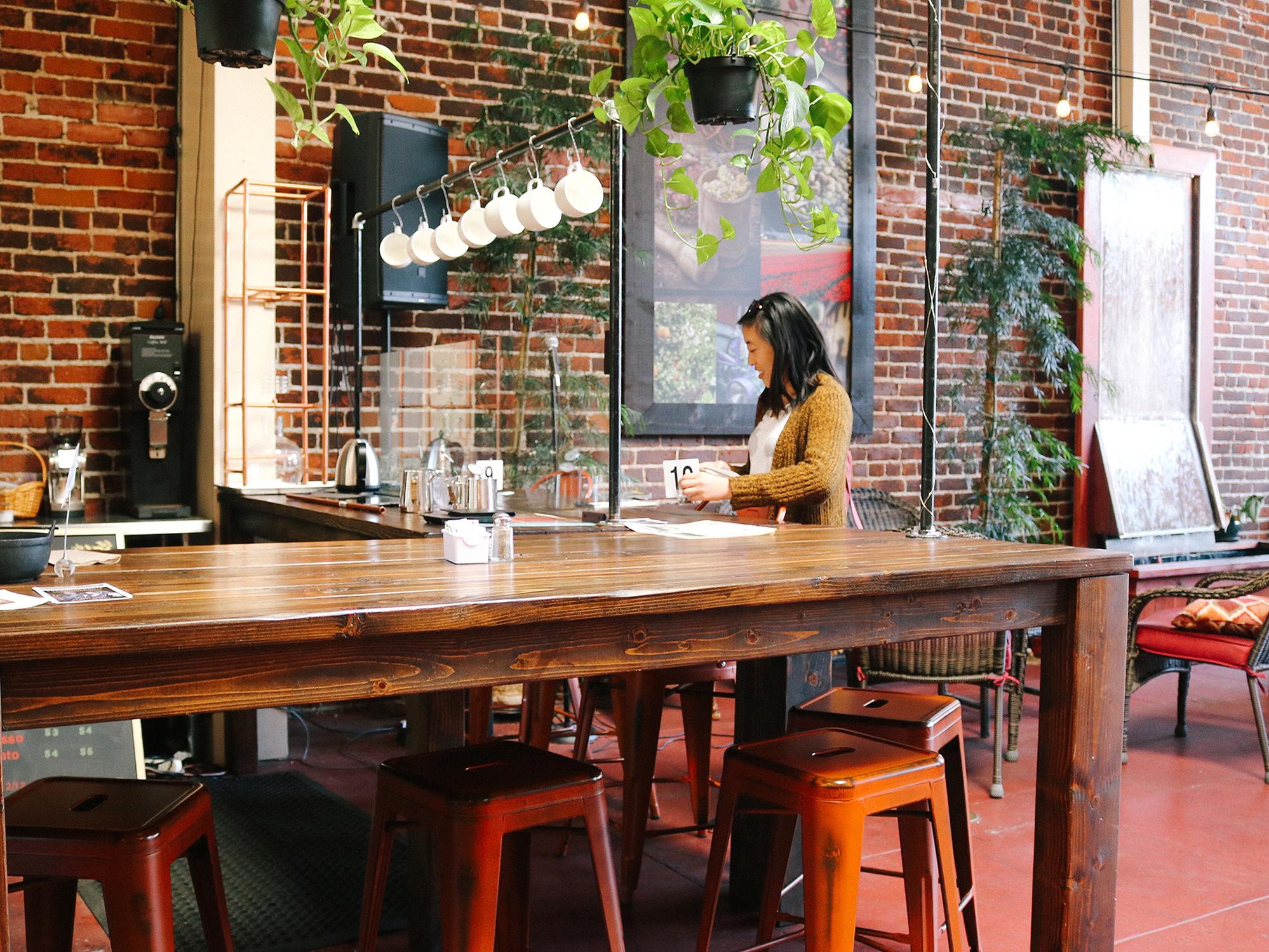
Vivian setting up our number card at Myrtle Tree Garden and Cafe

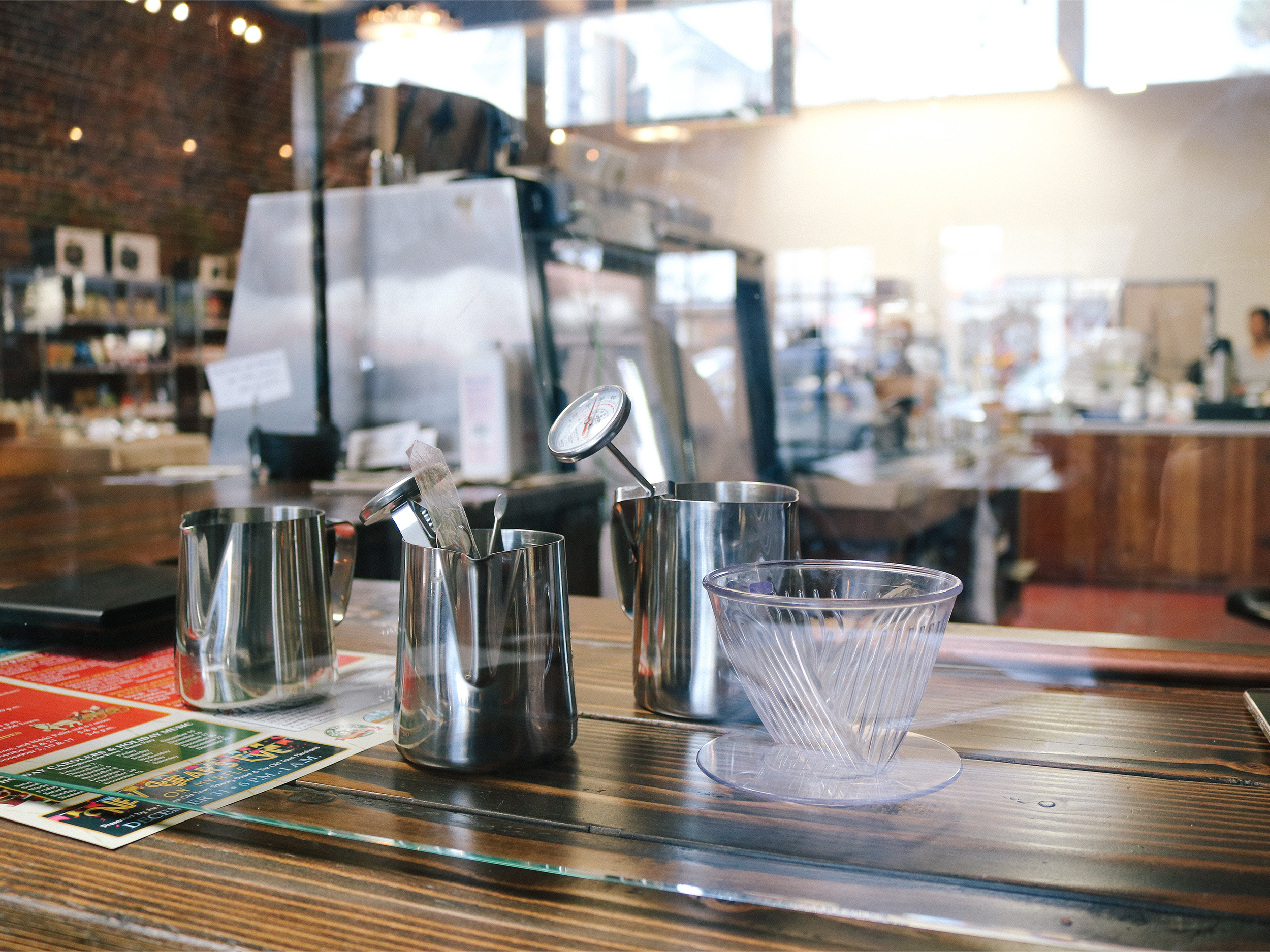
There’s something very homey about wooden table tops. We sat at this spacious bar pictured here. There are also communal tables and sofas. Some people had their laptops while others came with their families. The space was large enough that noise didn’t bother anyone.

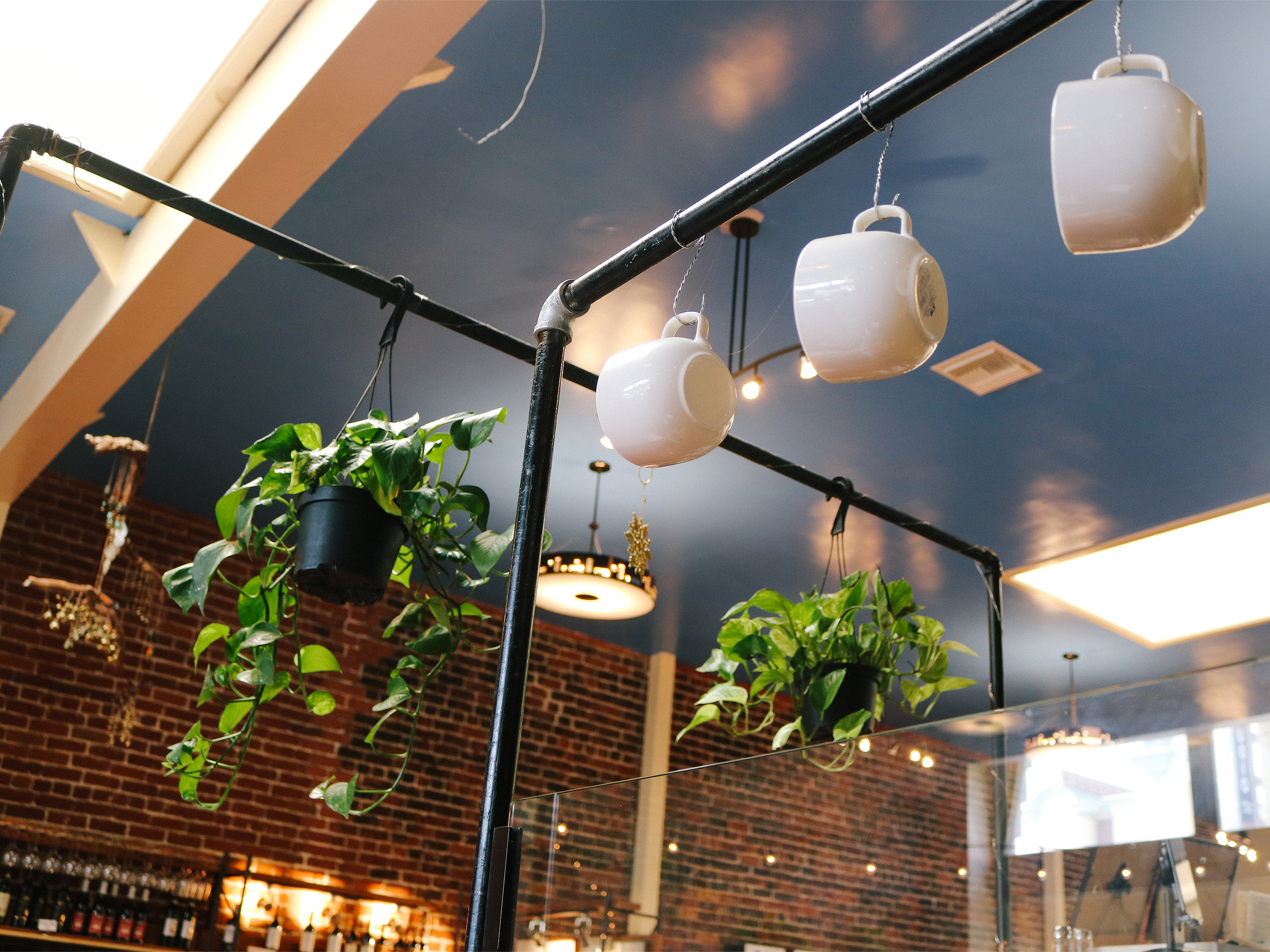
coffee mugs and plants hanging out

We’re not huge coffee drinkers, but for those who are, you’ll find sustainably sourced coffee from Intelligentsia here (!!). 

fresh brewed coffee at myrtle tree cafe and garden

Then sit opposite this glass window and watch them brew your coffee.   

ON THE MARKET

homemade bar soap
homemade bar soap

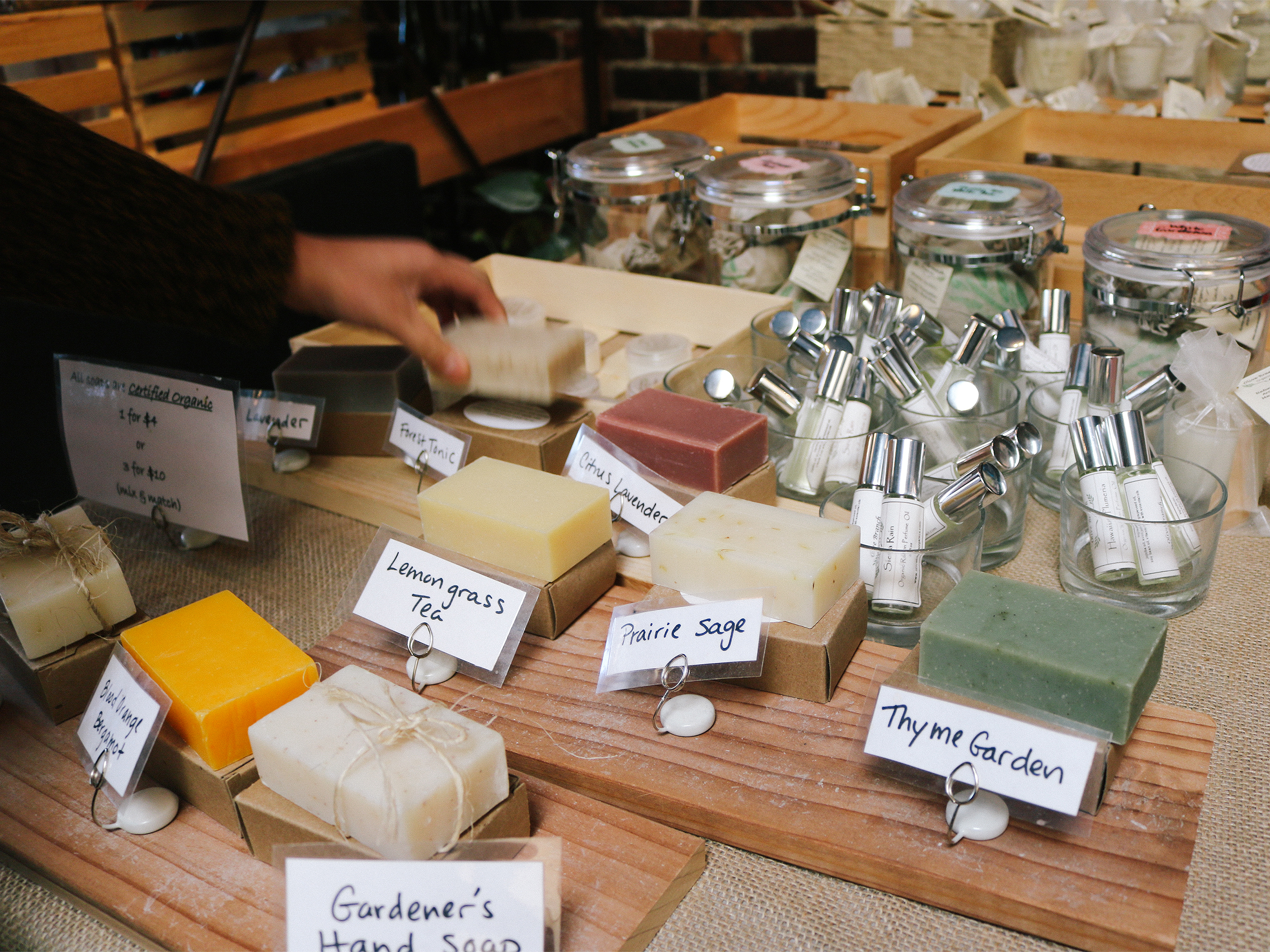
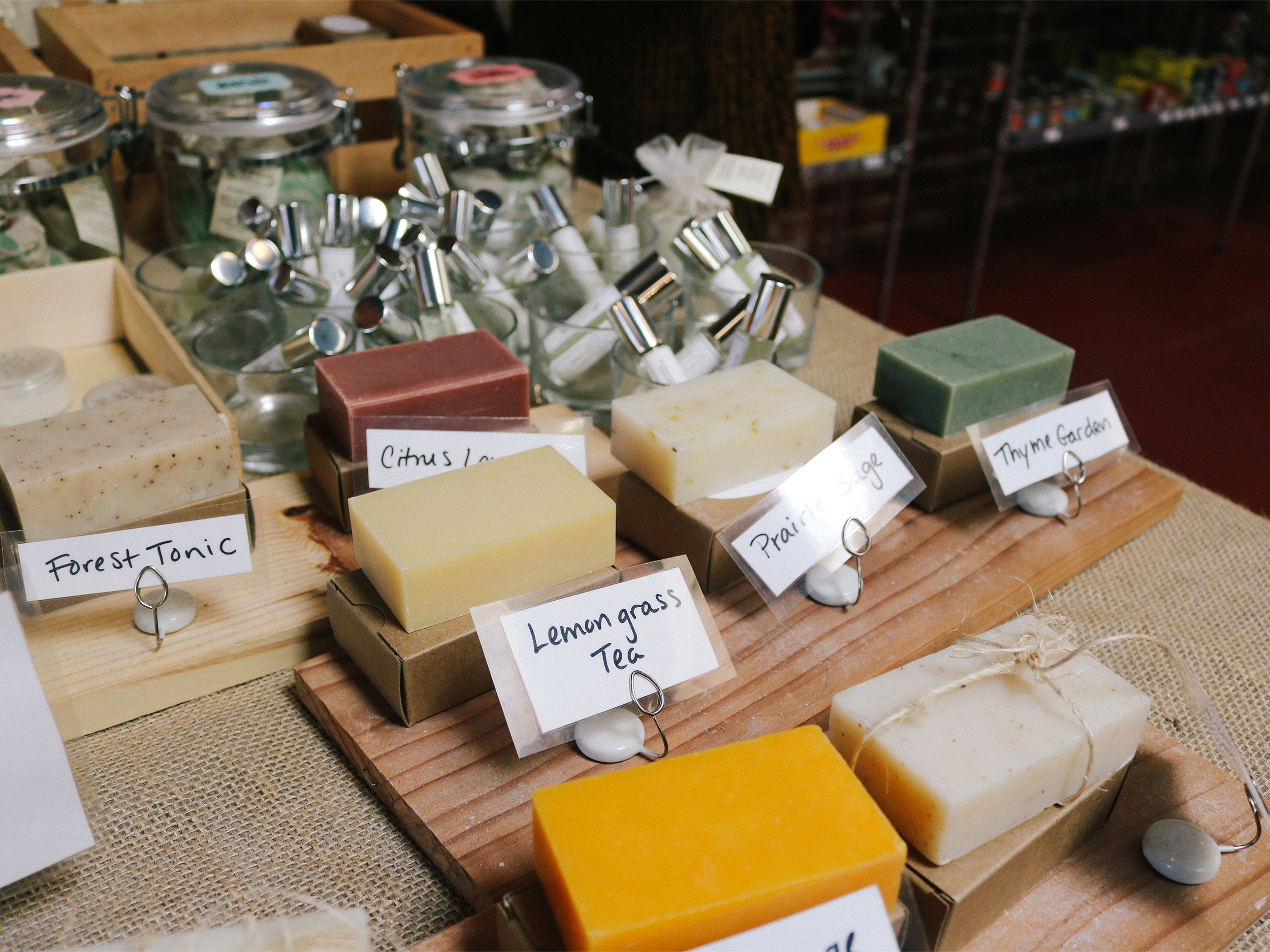
Myrtle Tree Garden Cafe & Market handcraft their own bar soap. These are made from natural ingredients and are package-free. Will definitely be coming back for these alone. 

Vivian smelling bar soap

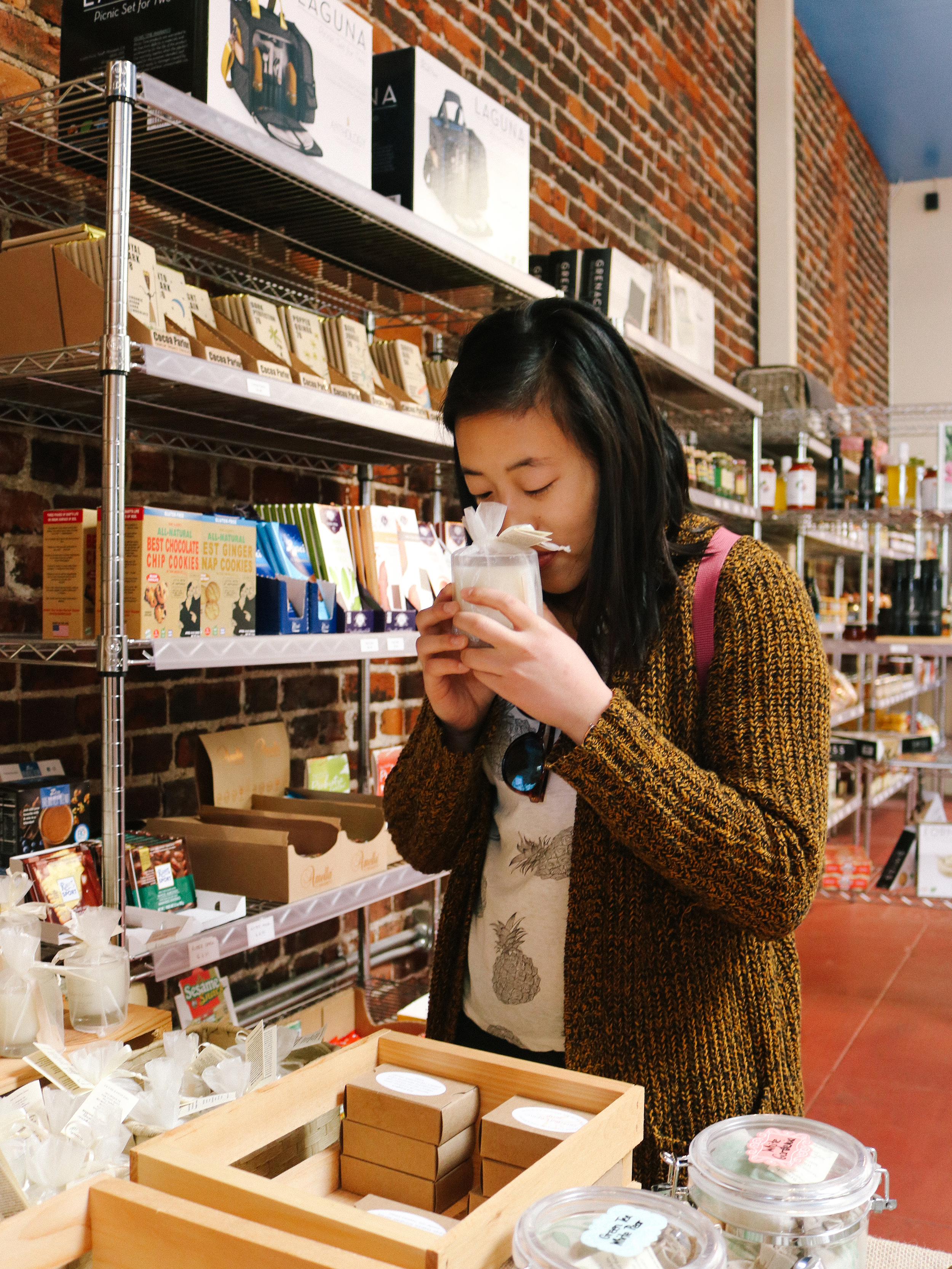
(pictured: Vivian) They handcraft candles too. They’re so sweetly wrapped and make wonderful gifts for yourself or friends and family. The scents are lovely too.

pantry of dry goods
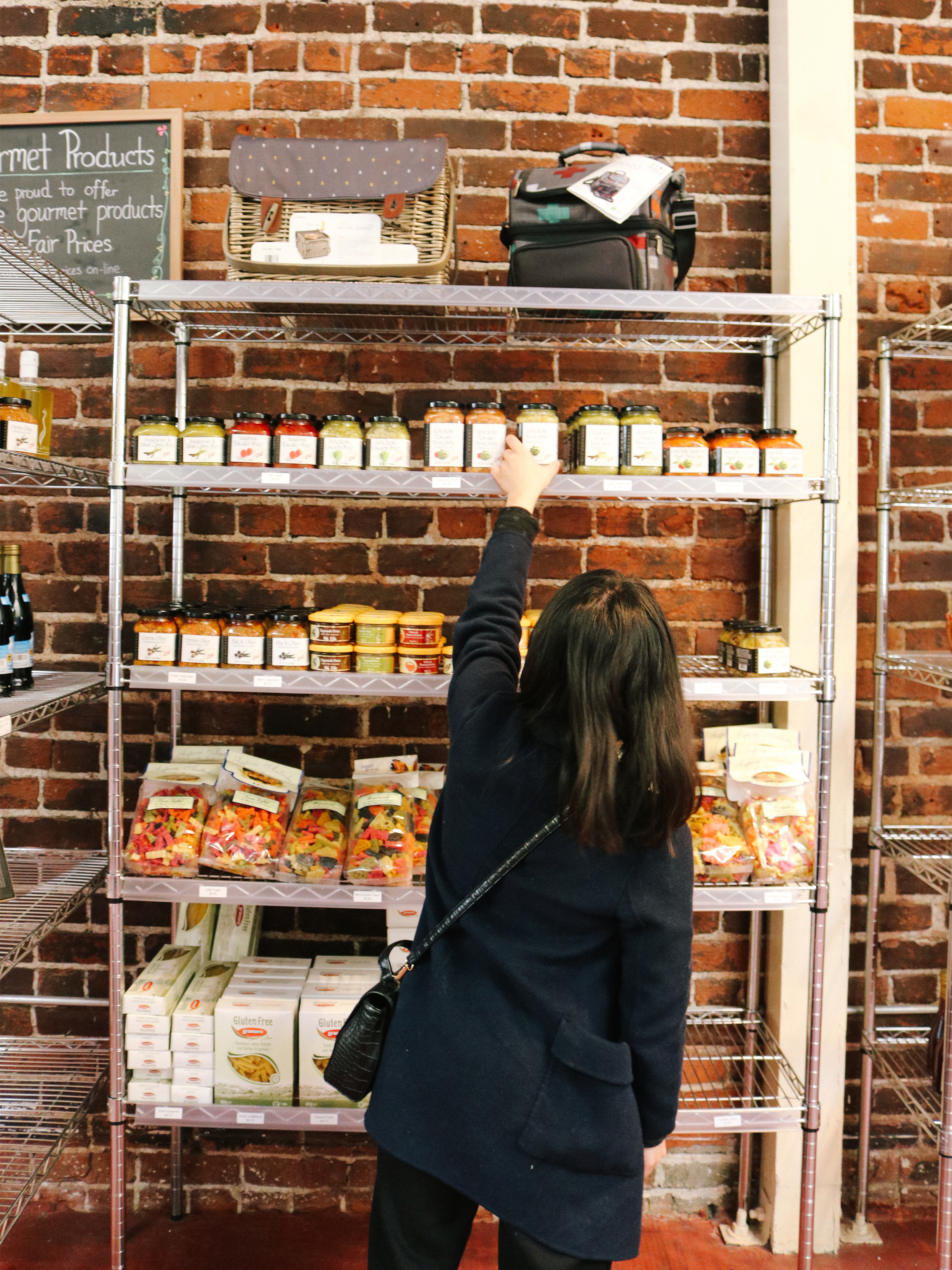
Jennifer examining a pantry of dry goods

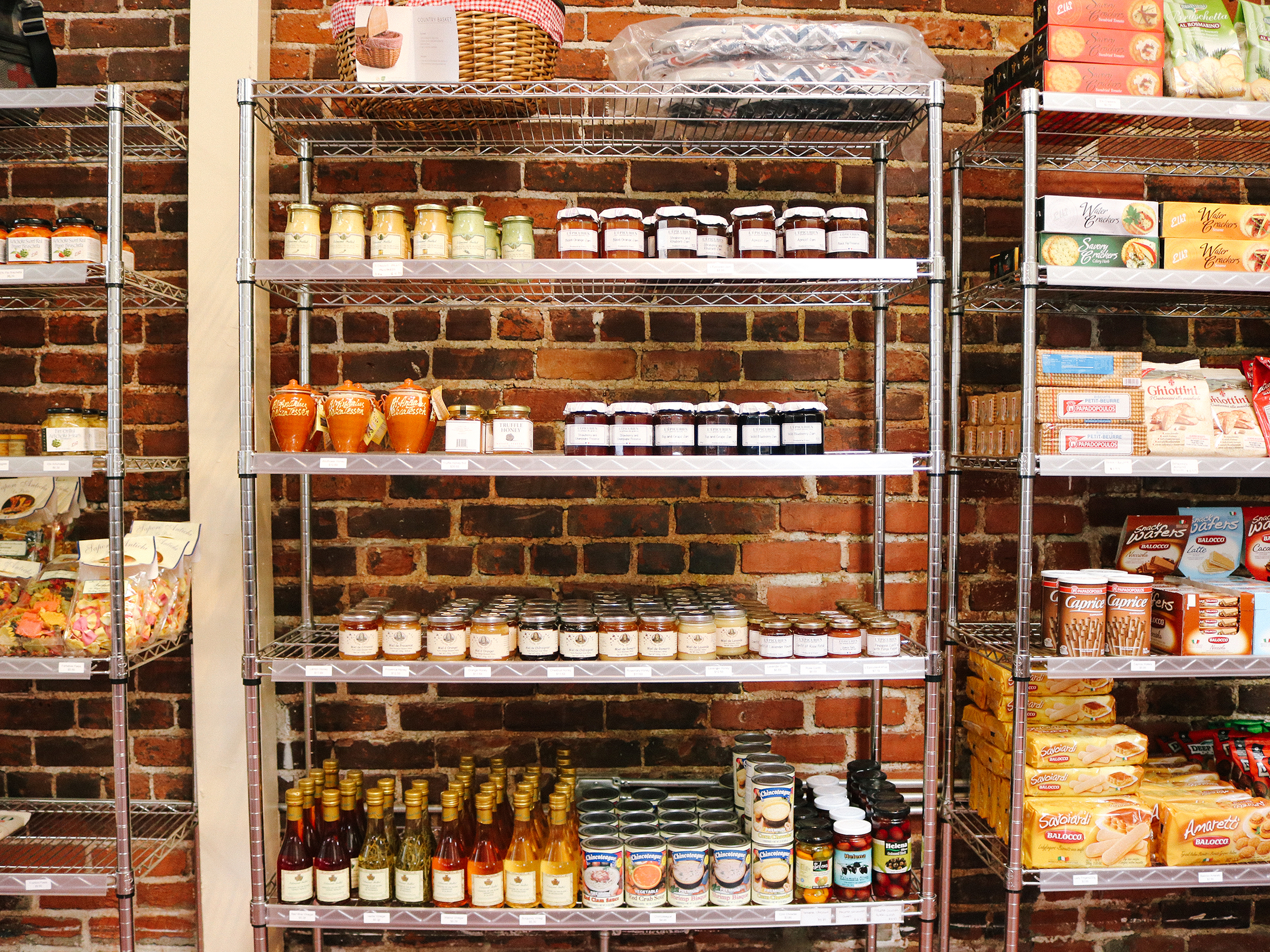
(pictured: Jennifer) These shelves are stocked full of local and organic groceries. A good selection of their market consists of items imported from Europe –– including sauces, chocolates, pasta, and crackers.

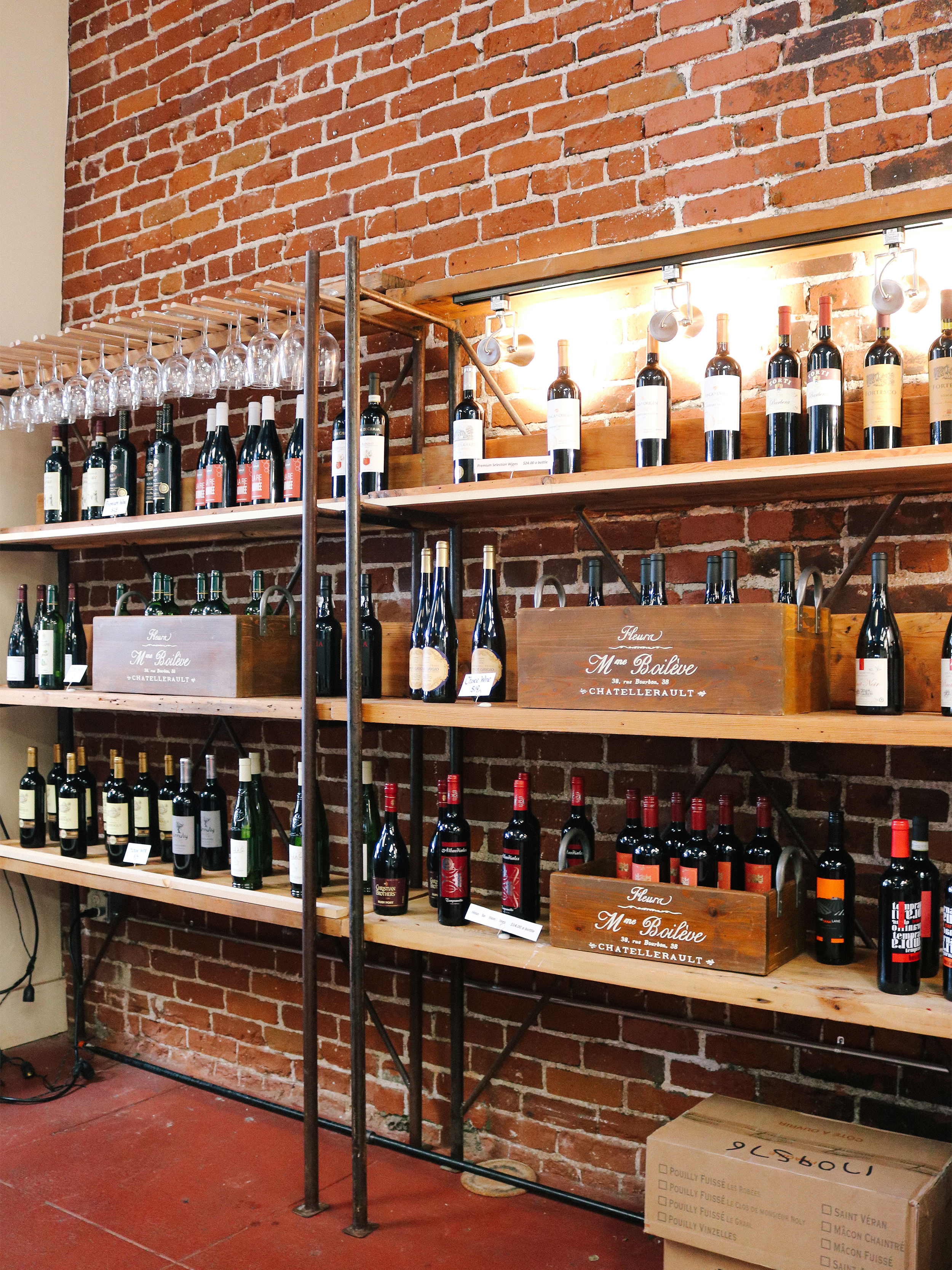
stocked wine at Myrtle Tree Cafe and Garden

We didn’t get to check out their wine selection, but it seems like the perfect place to wine and dine. 

ON THE FOOD

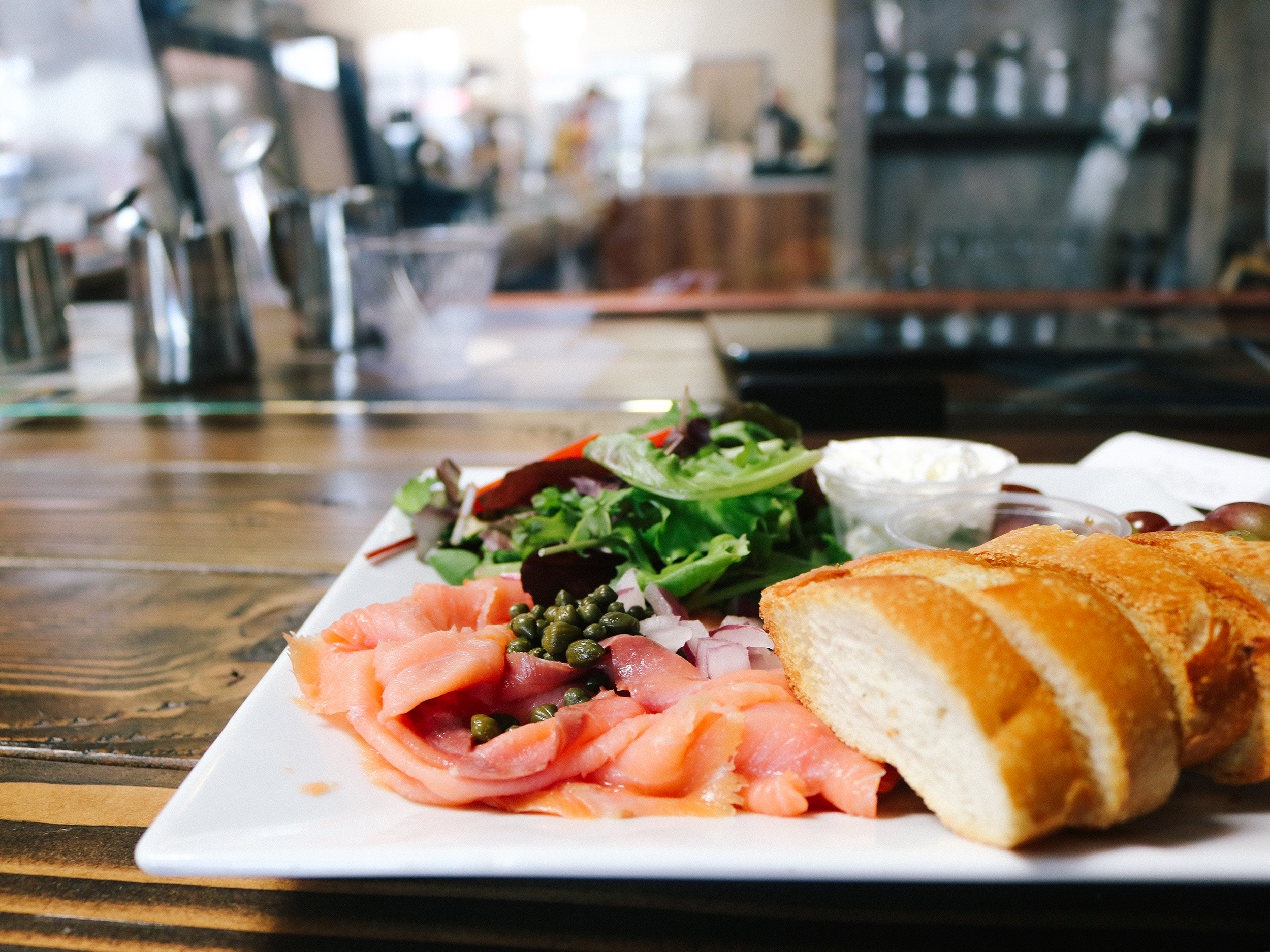
Smoke salmon plate

JENNIFER
“Found my four favorite words here: ‘Breakfast Served All Day.’ It was the early afternoon and I opted for the Smoked Salmon Breakfast plate which came with smoked salmon, fresh organic fruits, mixed greens, and some toast. I thought they piled on a lot of salmon. It was good, but a bit salty. Still, I felt healthy (and great!) after the meal, which is always nice especially during this time of year. I just wish that the salad dressing came in a reusable container.”

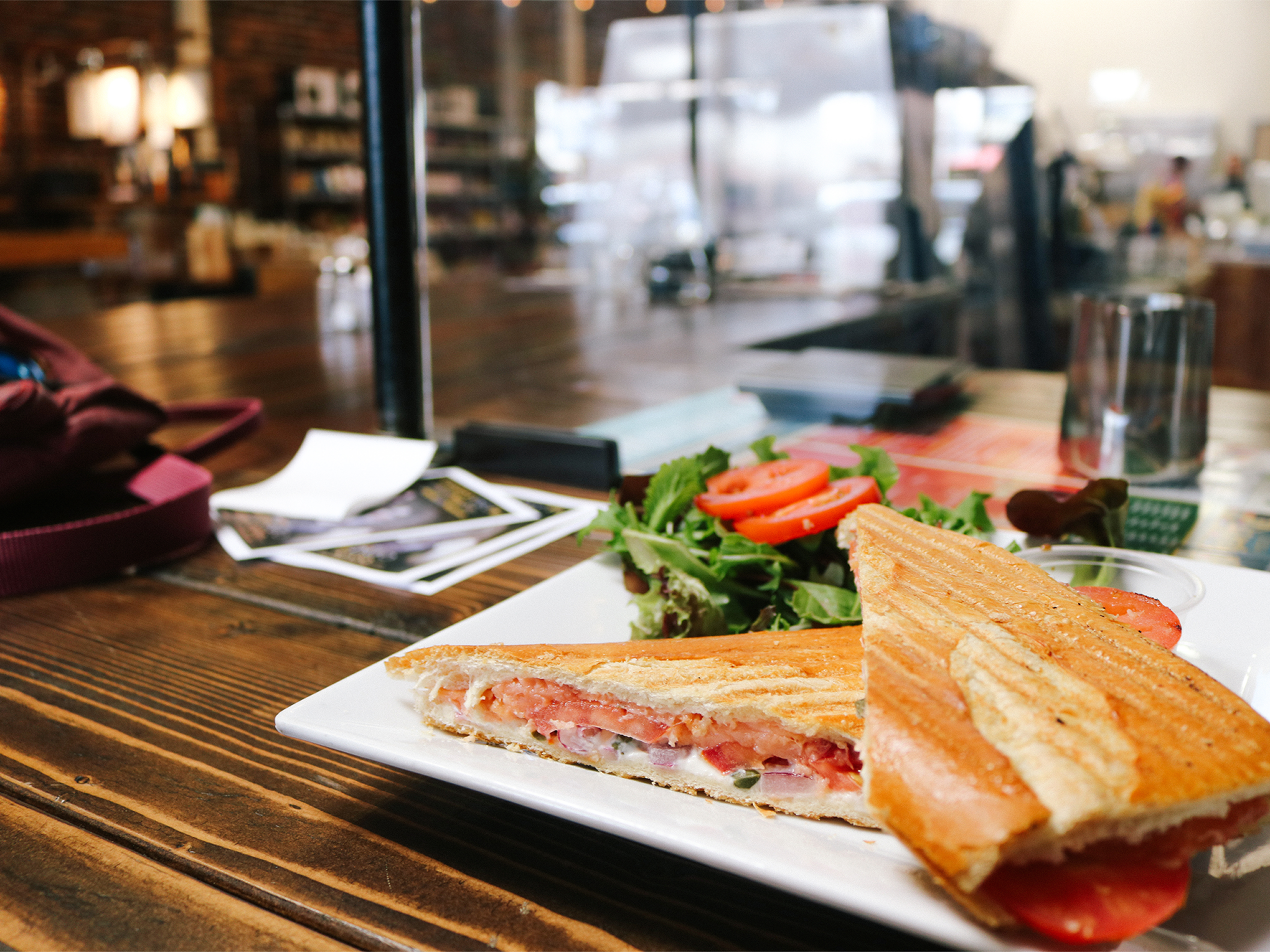
Smoked salmon panini


VIVIAN
“I was really excited to try the dishes here especially knowing that the ingredients are locally and sustainably sourced. I ordered the Smoked Salmon Panini which came with smoked salmon, cream cheese, tomato red onions, capers, and a side salad. It was a little on the salty side but overall, I enjoyed the plate and my stomach was satisfied.”

sign up at Myrtle Tree Garden and Cafe

Other Things To Know:
Pastries are discounted after 5pm.
There are wine and cheese tasting nights every Sunday.
There are open mic and live music nights throughout the week.
*
All events are updated on their Facebook page.

Are you in the Los Angeles or San Gabriel Valley area? What are some of your favorite spots to dine here?

Cheers,
Jennifer and Vivian

How We Practice Self Care After A Trip: Jennifer

When in the company of the outdoors, one doesn’t expect to be pampered and tended to. If we’re being honest, we enjoy the outdoors and everything that comes with it. Days spent hiking, camping, and cooking by a campfire. We’re sweaty, dirty, tired, and uncomfortable. There’s grease in our tangled hair, oil on our faces, and dirt between our nails. Why does that bring us so much joy?

For us, self-care is about the well-being of our mental, emotional, and physical being. While the outdoors satisfies 2 out of the 3 (well maybe 3 out of 3, because of physical exercise), we think it’s important to focus on ourselves when we’re back at home. No matter how mentally stimulating and fun the trip was, we’re always left exhausted. So we want to share a bit of how we incorporate self-care after a long trip outside.

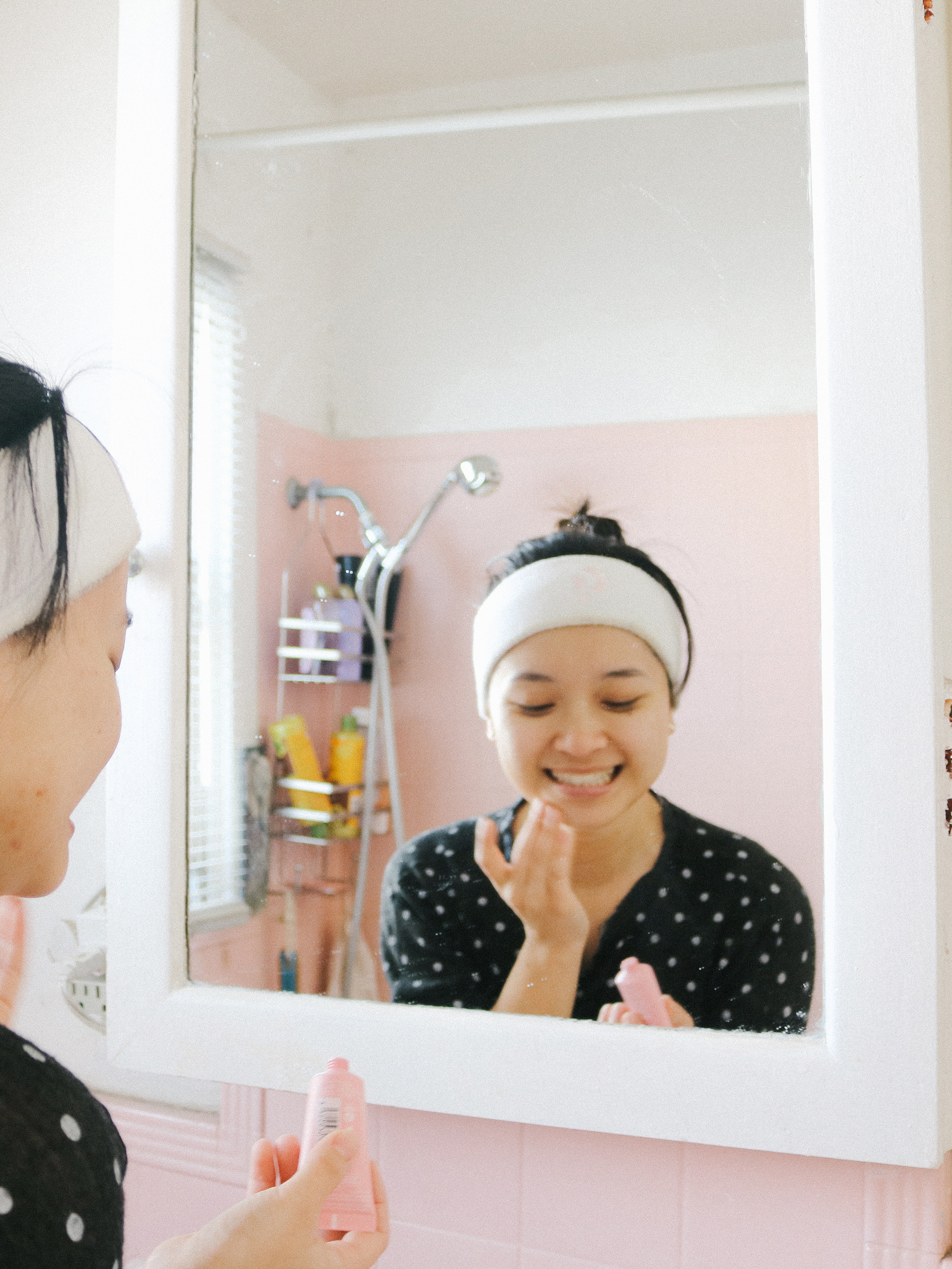
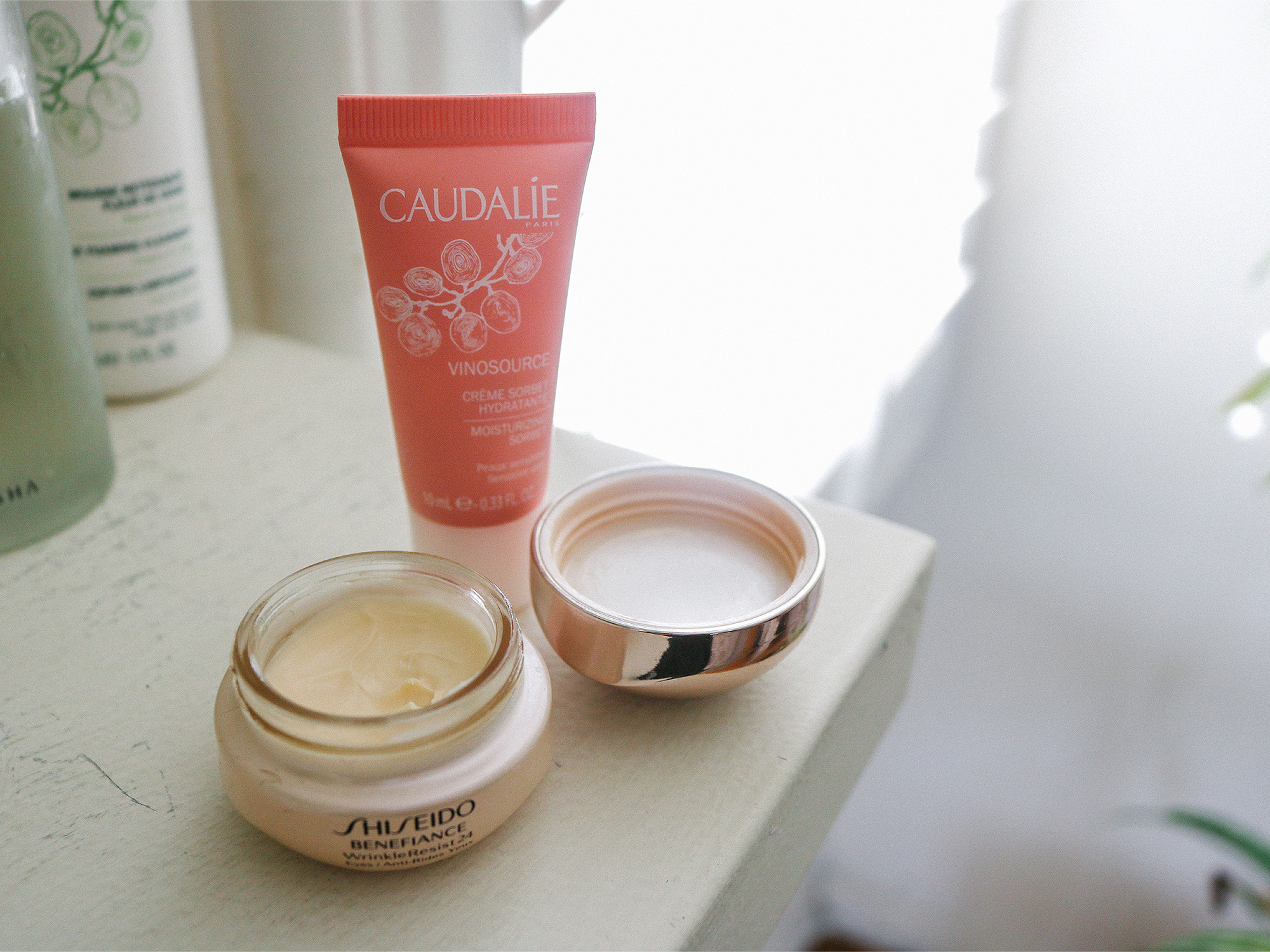
Jennifer applying Caudalie Moisturizing Sorbet
hair up, chilling with no makeup on

MY SELF CARE ROUTINE
When I think of self-care I think of “me-time” and that involves a quiet & cozy place with just me and my thoughts –– or no thoughts. My mind often feels overloaded with information so I’ll gladly welcome anything that involves being a potato. I like to mentally unwind, light a few candles, say
hello to my plants, then do absolutely nothing. 

BODY CARE
The first three things I want in my body after a long trip are a veggie burger, fries, and an ice cold soda (specifically a Coke or Lemon Up from In-N-Out).

Once home, I like to take a nice long, hot, and soapy shower. There’s something about the steam and hot water against my skin that calms and relaxes my senses. I just added Glossier’s Body Hero to my body care routine, and man, that is real pampering. The thing is expensive! Especially because I’m used to lathering up with $4 bar soap from Dr. Bronners.

SKINCARE
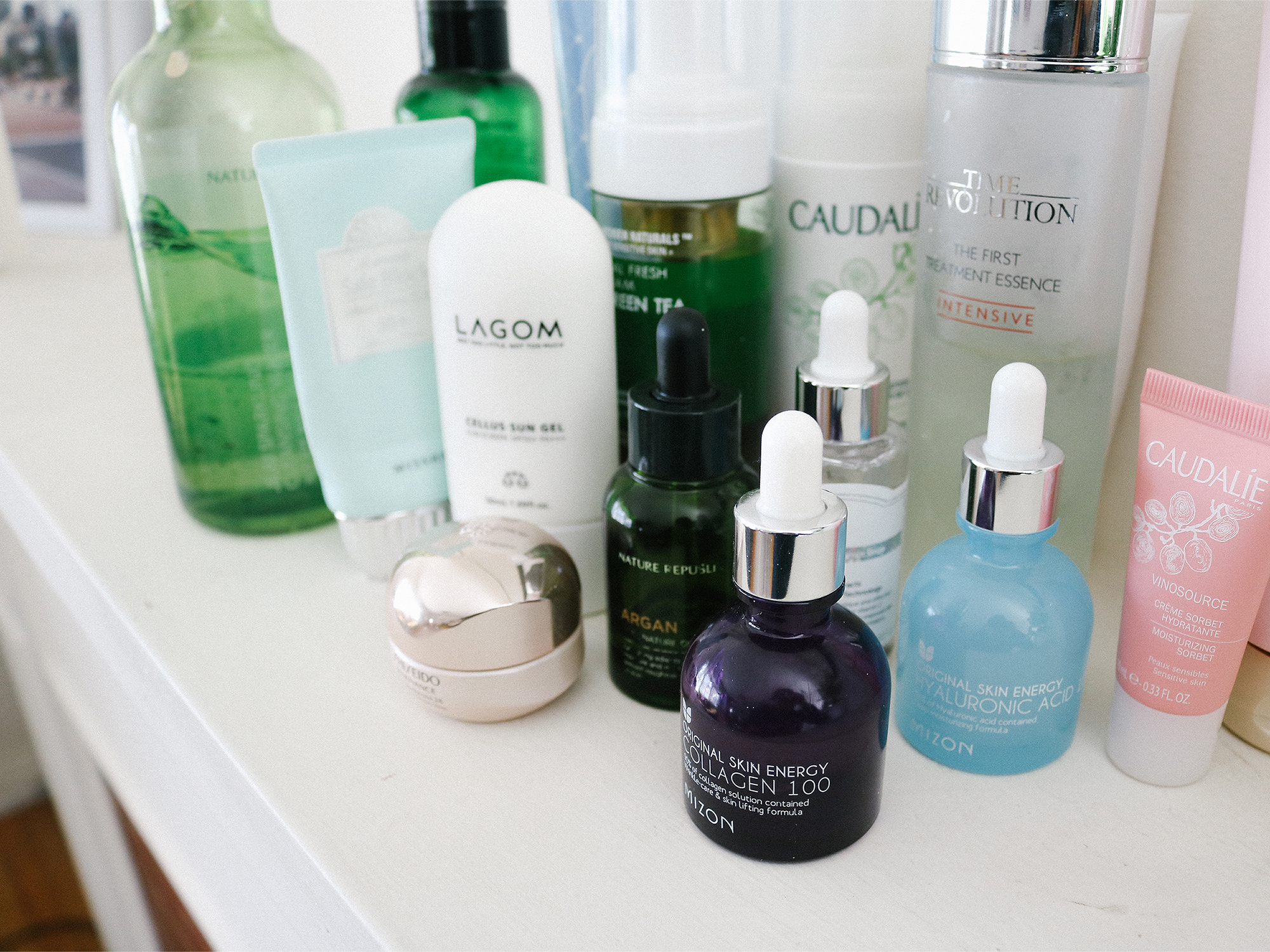
For me, it’s mostly about hydration. I’ll double cleanse with a bottle of argan oil and Caudalie Instant Foaming Cleanser, something I recently picked up at Sephora. My skin feels super soft and supple after. To remove a weekend’s worth of dirt and grime, I’ll exfoliate with Fresh Umbrian Clay Exfoliant. I’m not a fan of the exfoliant because it’s too harsh on my skin. Been trying to use up this bottle for years, but the thing lasts forever. This is sometimes followed up with RE:P Bio Fresh Mask if I’m in the mood to wait. I’ve been supportive of RE:P every since I found out they are 100% Cruelty-Free and use environmentally conscious packaging. I have dry skin, so I’ll follow up with Benton Aloe BHA Skin toner, then pat on a few drops of Missha Time Revolution to further balance and hydrate. My skin drinks them up! I’ve been told serums are super important because they combat skin’s most specific needs. I use Mizon Hyaluronic Acid 100 serum or Mizon Collagen 100 serum because you’re never too young to start taking care of your skin. If I’m feeling fancy, I’ll use both –– and I often feel fancy (lol). Then goes on Shiseido Benefiance Eye Cream and my favorite moisturizer right now, Caudalie Moisturizing Sorbet. I love how silky smooth it makes my skin feel. I have pre-teen acne scars and age spots so I’ll seal it all with a thin layer of Klairs Freshly Juiced Vitamin C serum to evenly tone my skin texture. Sometimes I’ll switch it up and use a sheet mask and an eye mask in place of my mud mask. It’s really all about my mood that day. I think that’s what makes skincare so fun and personal. 

Okay, that sounds like a lot. But it’s self-care – and it makes me happy!

MENTAL CARE
I don’t do anything after my skincare routine other than lay on my bed and…be a potato. Maybe washing has me tired or maybe I’m burnt out from the trip, but soon after getting into bed, I’ve already drifted off to sleep.

k-beauty skincare products
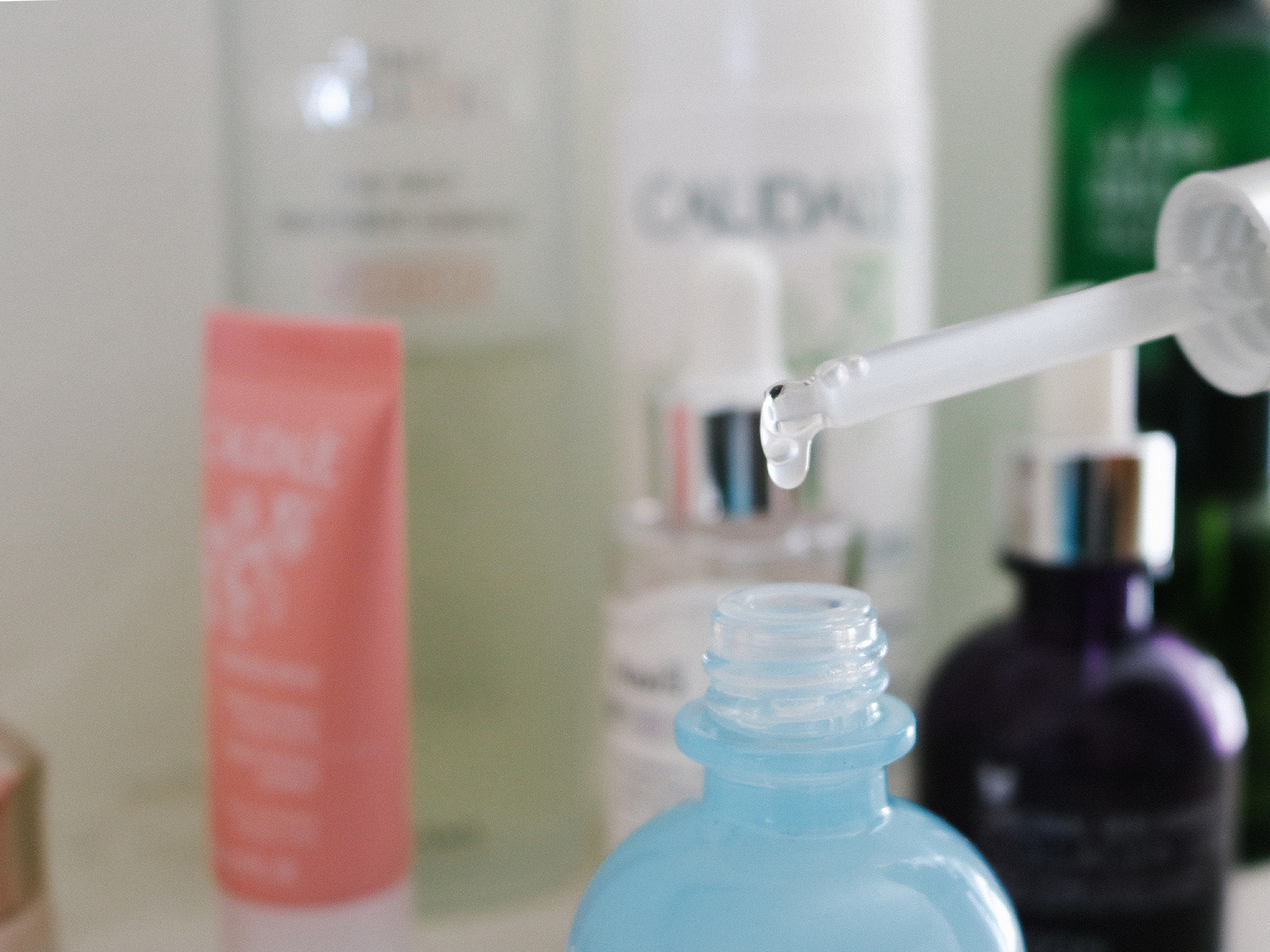
Mizon Hyaluronic Acid 100
Caudalie Moisturizing Sorbet and Shiseido Benefiance Eye Cream

*We save empty containers to use when traveling, to store DIY skincare products, or recycle them at our local center. You can also send your empty containers to TerraCycle.

Goodnight,
Jennifer


Read Vivian’s self-care routine. 

How we practice self care: Vivian

How We Practice Self Care After A Trip: Vivian

When in the company of the outdoors, one doesn’t expect to be pampered and tended to. If we’re being honest, we enjoy the outdoors and everything that comes with it. Days spent hiking, camping, and cooking by a campfire. We’re sweaty, dirty, tired, and uncomfortable. There’s grease in our tangled hair, oil on our faces, and dirt between our nails. Why does that bring us so much joy?

For us, self-care is about the well-being of our mental, emotional, and physical being. While the outdoors satisfies 2 out of the 3 (well maybe 3 out of 3, because of physical exercise), we think it’s important to focus on ourselves when we’re back at home. No matter how mentally stimulating and fun the trip was, we’re always left exhausted. So we want to share a bit of how we incorporate self-care after a long trip outside.

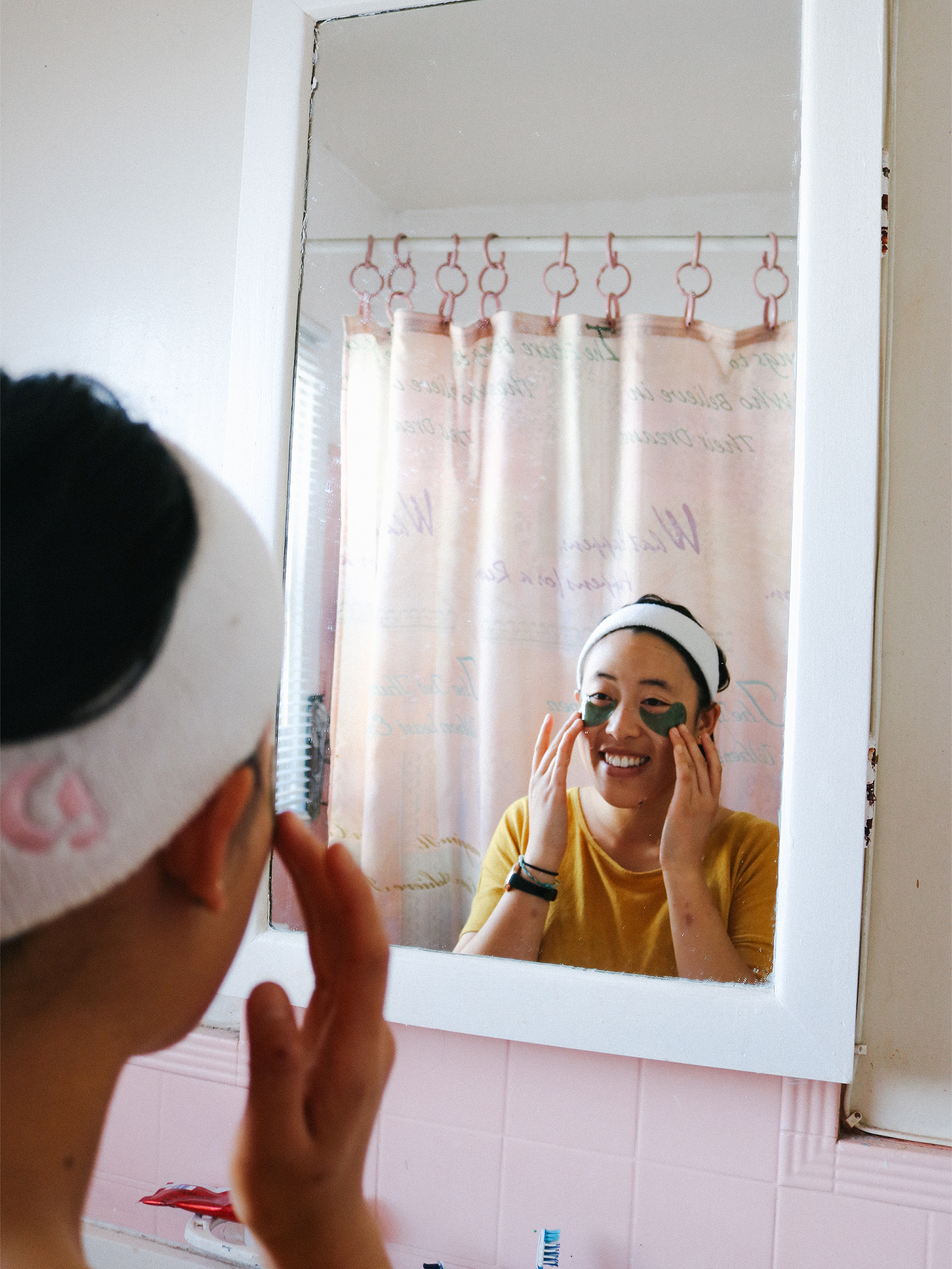
Vivian wearing eye masks

MY SELF CARE ROUTINE
When I think of self-care, the phrase “Treat yo self!” pops up in my head. It’s all about giving your mind and body a break. I think we can all use more of that in this day and age.

BODY CARE
After a trip to the wilderness, food is always the first thing that comes to mind. I crave something greasy and unhealthy. What usually hits the spot is a big, juicy burger with a side of crispy fries and ketchup. You can’t go wrong with that.

Once home, I drop everything in my room, say hi to whoever’s home, and head straight to the shower. Before jumping in, I make sure the water is so hot, the room starts to steam up. This really helps to open up my pores. I love scrubbing off all the dirt on my body and in my hair. Seeing the water turn brown and watching as it goes down the drain is so satisfying. It’s like I conquered an epic feat.

SKINCARE
Next on the list, skincare — my favorite part. When I’m camping, I don’t do my full skincare routine (ain’t nobody got time for that). But once I’m home, it’s time to revitalize the skin. Brace yourself, it’s a lot.


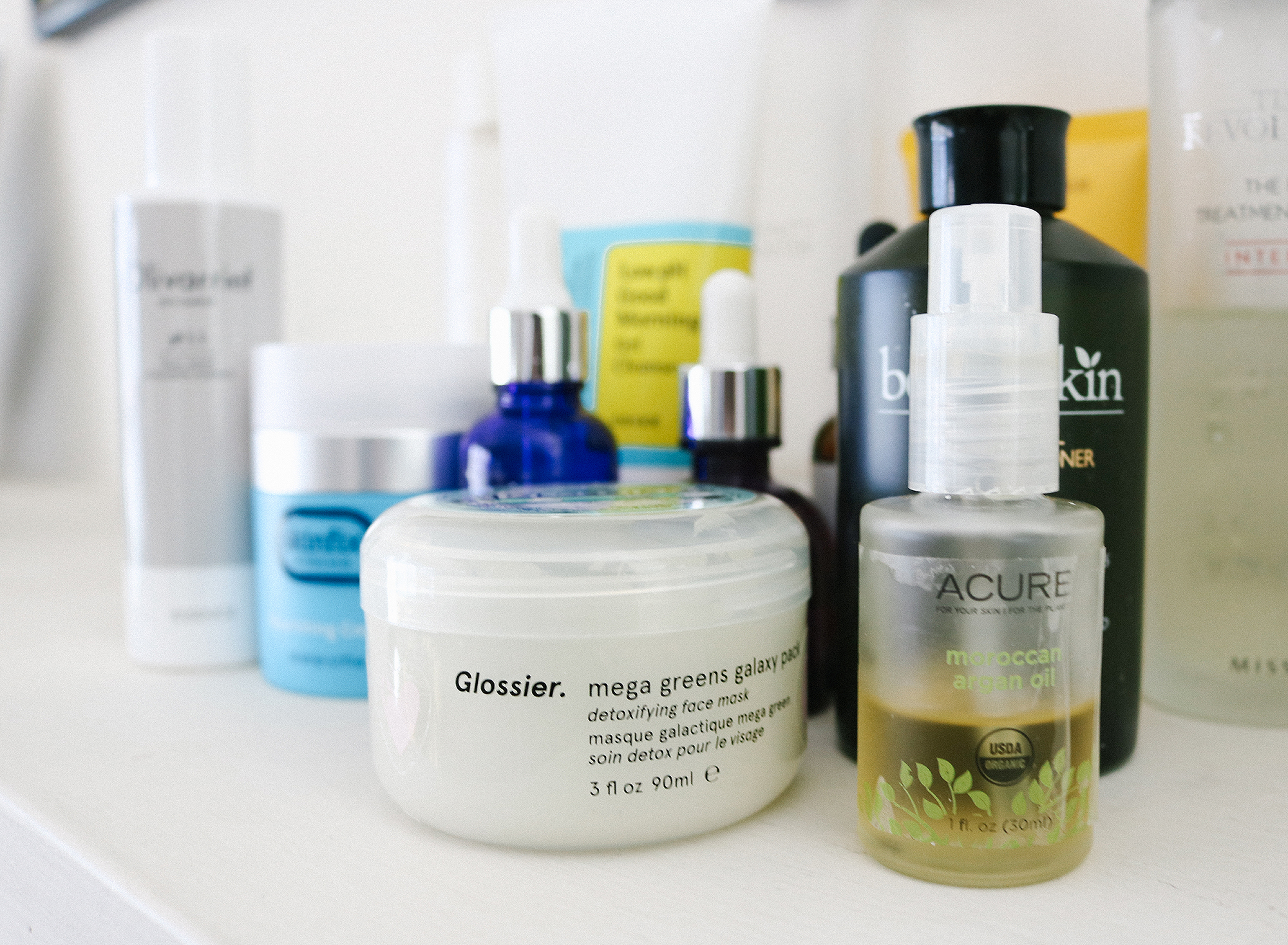
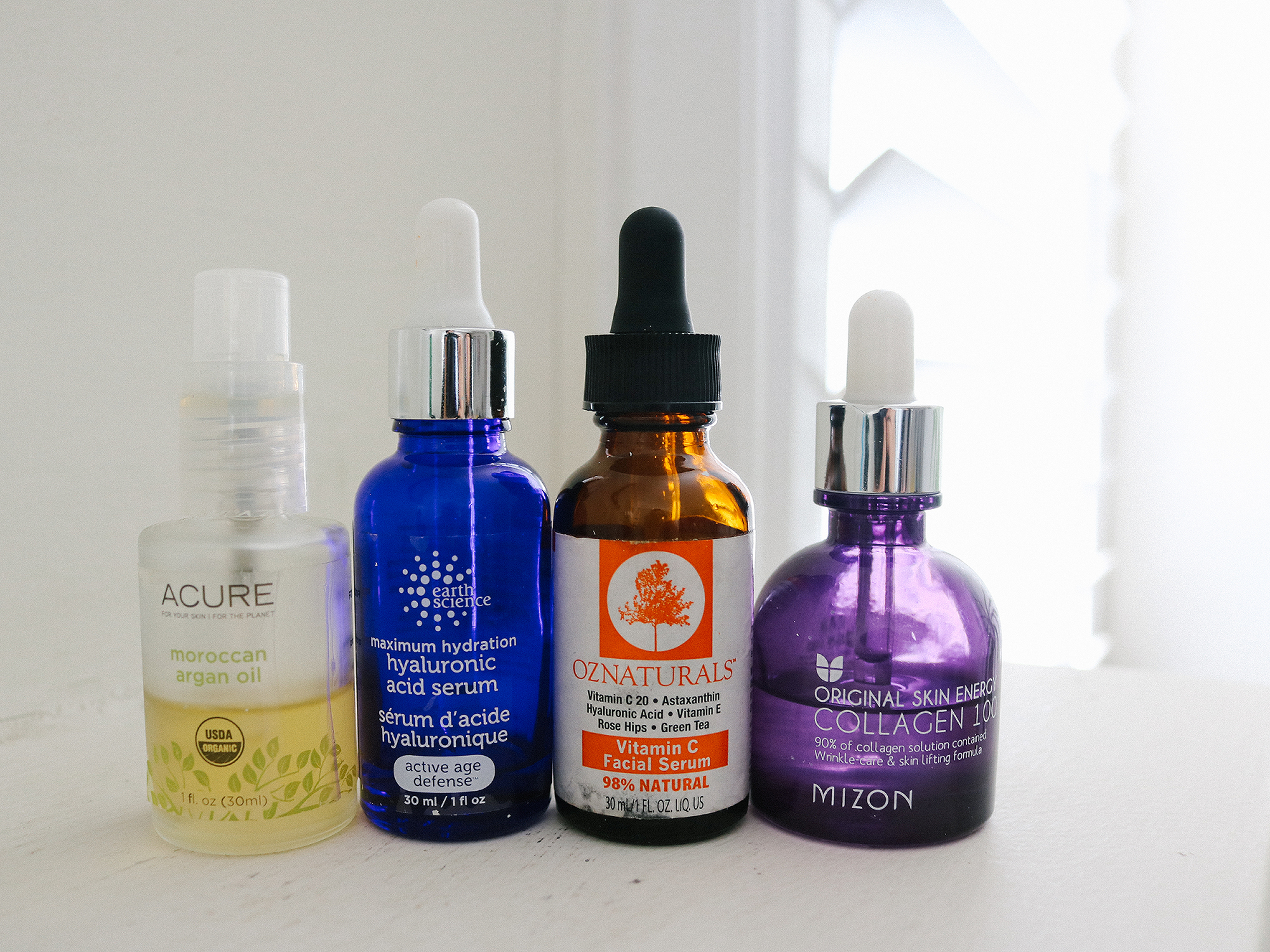
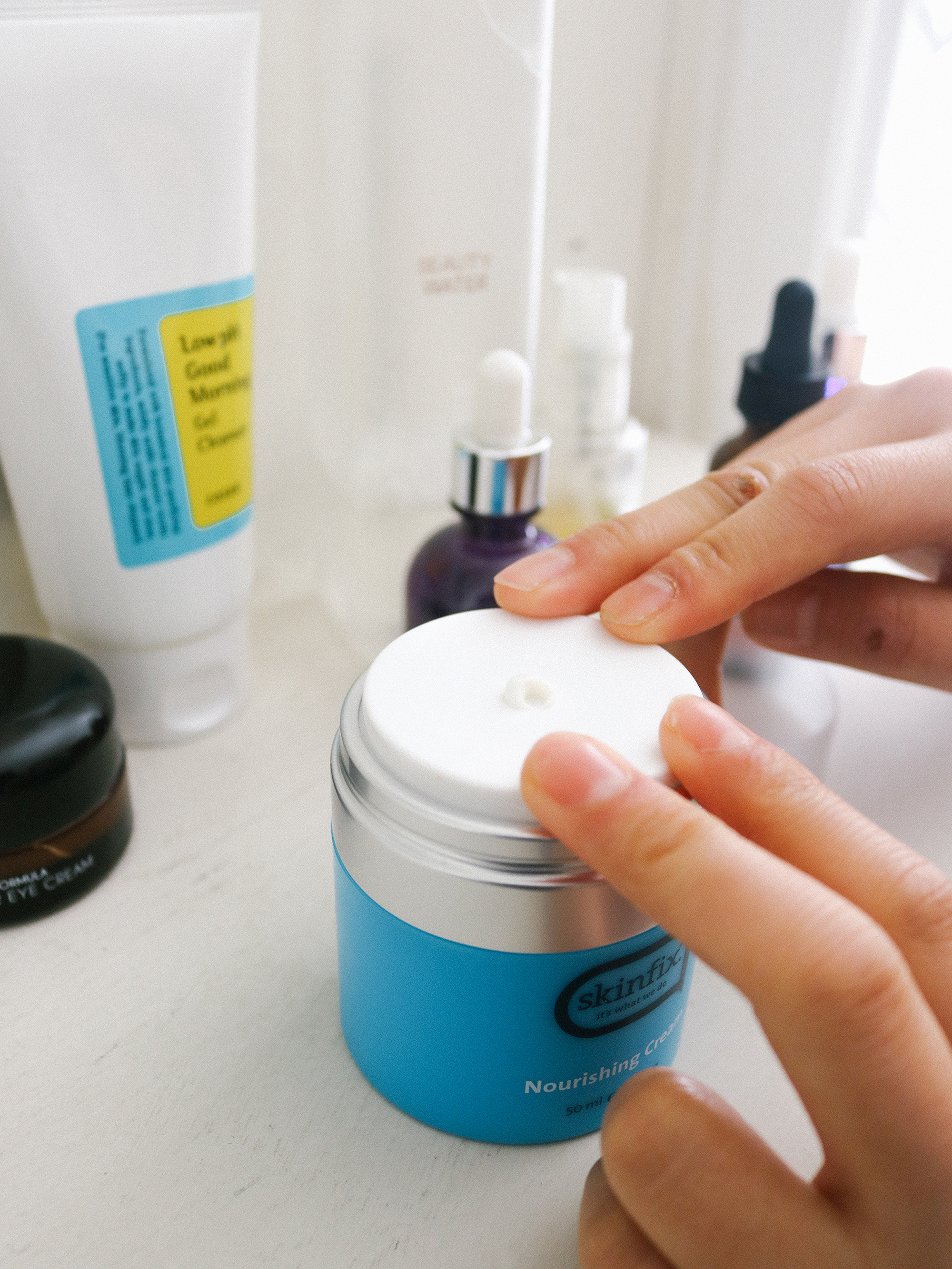
(1) I first double cleanse with an oil-based and water-based cleanser. I’ve been using coconut oil and COSRX Low-pH Good Morning Cleanser. (2) Then, I use a sample size of the Kate Somerville ExfoliKate Intensive Exfoliating Treatment I got from Sephora to scrub all the dead skin away. It gives a nice tingling feeling. (3) After, I lather on Glossier Mega Green Galaxy Pack detoxifying mud mask. I love this part of the routine and how moisturize my face feels after the mask. (4) To shrink my pores, I soak a reusable cotton round with SON & PARK Beauty Water and swipe it all over my face. (5) I follow up with Cremorlab Mineral Treatment Essence to prep my skin for the next step. I like the watery texture and how light it feels on my skin. (6) Next up, serums. They’re all about targeting skin concerns. I interchange using Mizon Collagen 100, Earth Science Maximum Hydration Hyaluronic Acid Serum, and OZNaturals Vitamin C Facial Serum to rehydrate and brighten my skin. (7) Then, using my ring finger, I gently pat on Mizon Snail Repair Eye Cream under and around my eyes. I’m trying to ward off those crow’s feet as long as I can. (8) To seal everything in, I use Skinfix Nourishing Cream as my moisturizer. I’m very entertained by its pump applicator. (9) Lastly, I top everything off with a couple drops of the ACURE Moroccan Argan Oil so my skin can soak it up overnight.

Nothing feels better than a fresh, clean, pampered face.

MENTAL CARE
To cap the night, I hop into bed and just lay there — sometimes with a cup of ice cream or a bag of sweets.  I’ll go on my phone and see what I missed in the digital world, which is usually a lot. That can feel overwhelming so I like to pop in a movie on my laptop and eventually fall into a deep deep sleep. What a day.

Products that Vivian use
Serums that Vivian use
Pump applicator from Skinfix

*We save empty containers to use when traveling, to store DIY skincare products, or recycle them at our local center. You can also send your empty containers to TerraCycle.

Goodnight,
Vivian


Read Jennifer’s self-care routine.

the story of stuff

What We’re Watching: “The Story Of Stuff”

How do you continue to learn outside of the classroom? We’ve been getting back in the groove of watching documentaries to expand our understanding of the world. A lot of friends suggested The Story of Stuff (2007), a short 20-minute documentary created by Annie Leonard. To summarize, the documentary is about our consumerist society and the life cycle of our “stuff” –– something we think is relevant for this time of year.

Leonard says, “In the past three decades alone, 1/3 of the earth’s natural resource space have been consumed. Gone. We are cutting, mining, hauling, and trashing the place so fast that we are undermining the planet’s very ability for people to live here.” 

In this documentary, Leonard talks about our (1) depleting resources and the environment (2) employees who work in toxic environments (3) how we’ve become a nation of consumers (4) and how advertisements, media, society, and the government play a role in consumerism. Although it was released more than a decade ago, the documentary is still very much relatable today.

There is a segment of the documentary where Leonard talks about “planned obsolescence” compared to “perceived obsolescence.” Planned obsolescence are materials that are designed for the dumps –– we use things fast, throw them away, and buy them again. She lists plastic bags, coffee cups, and even computers as examples. Perceived obsolescence are materials that convince us to throw away stuff that are perfectly useful by renewing the look (not features) of the product. Think about your phone or computer. Every few years, a brand will release a “sleek, innovative, and new design” to draw in consumers and make them think their current one is outdated, even though it works perfectly fine. And honestly, how much have the features changed? It’s not just technology, fashion also plays a large part in perceived obsolescence too. It’s very much like the way we shop today.

The point of this post is not to make one feel guilty about shopping and buying “stuff.” We’re a part of the consumerist society too. We buy computers, phones, and clothing. We like new things. Sometimes we’ll buy something because it makes us happy and not always because we need it. But we hope this documentary will allow you to be more mindful of things you buy, where you buy them, and why you buy them. Maybe even help us make positive choices too.

Have you seen The Story Of Stuff? If so, has it affected your buying habits? What are your thoughts?

Cheers,
Jennifer and Vivian

winter knits

How To Be Mindful When Shopping For Gifts

Since starting this journey, we have been more conscious about the things we buy and why we buy them. It’s particularly true right now when it comes to gifts: we want to put more thought into gifts for friends and family, while still being good to the planet, animals, and people. And while we’re far from perfect (sometimes we buy things ‘just cause’ because it brings those we love a bit of happiness), we still try to be mindful where it counts.

Below are a few questions we ask ourselves when shopping for gifts, that we hope you find helpful too. While it’s not always possible to check off everything on this list, we still think hitting one is better than none. Small and consistent decisions make big impacts.

What materials or ingredients is this product made from? Sustainably sourced materials and ingredients produce a lower carbon footprint and create the least amount of impact on the environment. This includes (1) ingredients grown and harvested without the use of pesticides and (2) materials that are locally sourced and produced with renewable energy, producing less pollution and waste. We also think it’s important to think about the product’s after-life too: can it be recycled, repurposed, or composted after we finish using it? A few other tips:

Shopping for clothing. Look for those made with natural fibers like organic cotton, hemp, bamboo, linen, and merino wool. Try to avoid polyester, acrylic, viscose rayon, conventional cotton, acrylic, and most leathers. If you must buy nylon or polyester, make sure it’s made from a recycled source.

Shopping for beauty products. Look for those made with non-toxic, raw, and/or plant-based ingredients that are safe for the skin (if it’s safe for us, it’s safe for the people who harvested them). Our rule of thumb: if we can’t pronounce or understand the first few ingredients on the back label, we’ll put the item back on the shelf. Check out EWG Skin Deep’s cosmetic database for a list of ingredients to avoid in beauty products.

Other things. For other items of all sorts (household items, snack packages, chocolates, what have you) check for (1) eco-friendly certifications (2) safety certifications such as BPA-free or FDA approved.

Is this product packaged in recyclable and/or compostable materials? We like to look for products packaged with post-consumer recycled materials, paper wrappings, sustainable ink, cardboard boxes, or plant-based boxes. Do your research, but also consider these tips:

Shopping online. The next time you receive a box in the mail check to see how it was wrapped. Was it filled with traditional styrofoam, peanuts, or bubble wrap? If you still get them, consider saving the insides to reuse when shipping gifts to friends. Then ask them to do the same (better to give these a longer shelf life rather than none at all). How about the excessive product to packaging ratio? Consider another retailer in the future. After realizing Amazon ships items in too large of boxes, we limited the items we bought from them. You can also email retailers and ask them if it’s okay to ship products in a more eco-friendly approach (this actually works!). 

Shopping in person. Make a round of the product and ask yourself: “Can I reuse any of the materials?” “Can the package be recycled or composted afterward?” “Is the package itself made from recycled materials?” Do this carefully, because pretty packaging can be deceiving –– just because something looks “green” doesn’t always mean that it is.

Is this product ethically produced? There are many factors behind the meaning of ethically made goods. For us, this means products that are not made based on the hardships of another living person or animal. This means: fair trade, fair wages, fair labor, sustainable practices, and products that have never been tested on animals. Often, we’ll support products that are made in the USA or brands who are transparent with their process. But we’re also on the lookout for certifications like certified B Corp, certified vegan, world fair trade organization, fair trade certified, or the cruelty-free leaping bunny. Plus, other helpful tools: The Good Guide App, Shop Ethical App, and the Think Dirty App.

Note: We agree it’s difficult to be certain of a brand’s transparency so be sure to do your research. Look at a brand’s social media accounts, website, and “about us” section. Check to see if they are vocal about their customers asking questions. 

Does this company support corporate responsibility? Get to know who, what, and where your money supports. There are brands who donate a percentage of their proceeds to support an environmental cause or charity. A few we support are a part of 1% for the Planet, Green America, and The Conservation Alliance. Don’t be afraid to email a company to ask how the proceeds help their chosen organization and the exact amount the organization receives.

Do I (or my friend) really need this? In the past, a lot of our purchases were impulse buys, and more often than not, we realized we didn’t really need the product. Again not perfect, but then we started to ask the important questions: “Do I need this?” (like really need it). “How often will I use it?” “Do I already have something like that at home?” “Can I borrow this from a friend?” “Can I repurpose my old stuff instead of buying this?” and “How much do I want it?” Our motto? Buy fewer things and buy good quality items that are made to last. A part of shopping more mindfully is shopping minimally too.

Have you made the decision to shop more mindfully this holiday season or all year round? Are you already doing this? We’d love to know your tips below!

Cheers,
Jennifer and Vivian