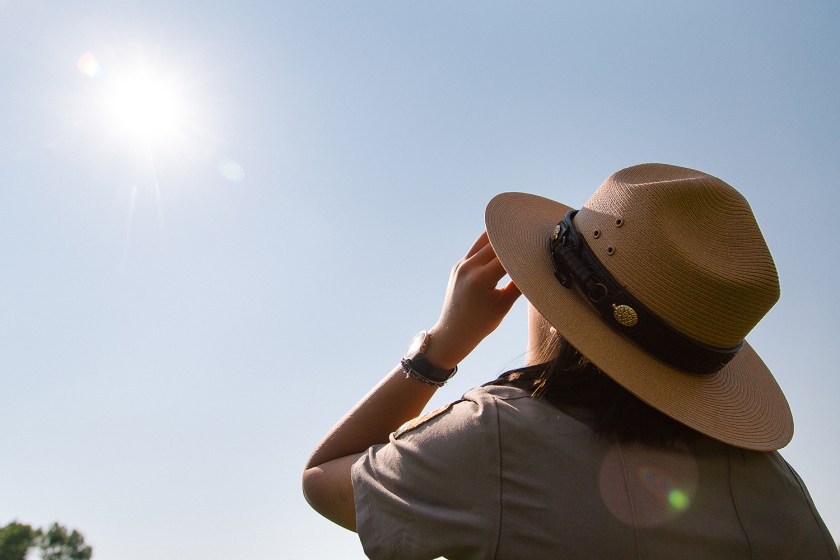
Uncle Ben (Spiderman’s uncle, not mine) once said, “With great power comes great responsibility.” I have always thought park rangers were the superheroes of America’s national parks and protectors of natural places. They hold themselves with grace, proudly displaying the distinctive flat hat, golden badge, and the National Park Service (NPS) arrowhead logo on their uniforms. Visitors want photos with them and children want to be them when they grow up.
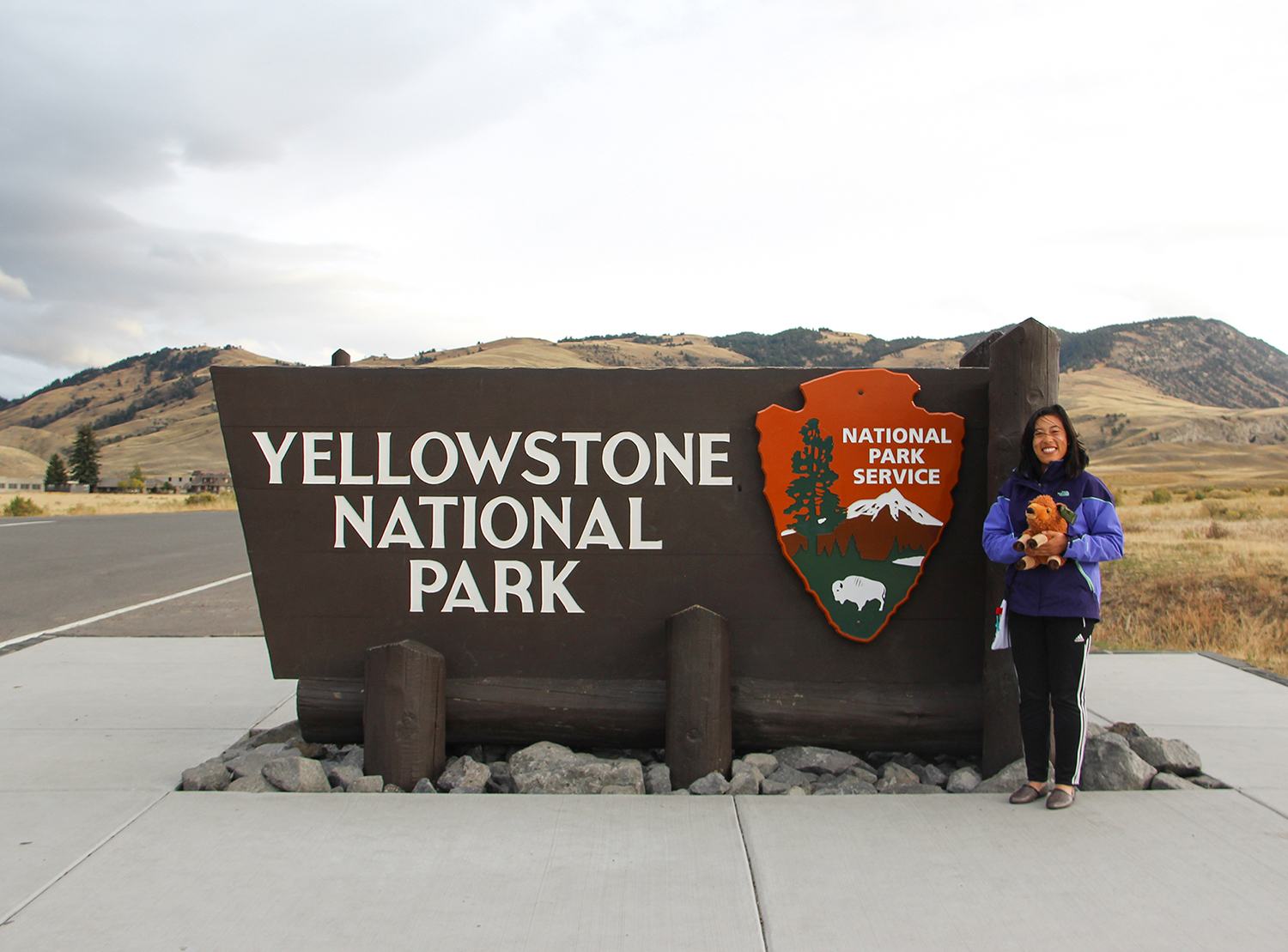
With the help from a friend and an application, I had the opportunity to be an Interpretive Park Ranger (Interp) at Yellowstone National Park (Yellowstone) this past summer. From this experience, I now have a newfound respect for park rangers and the natural world.
What Did I Do As An Interpretive Park Ranger?
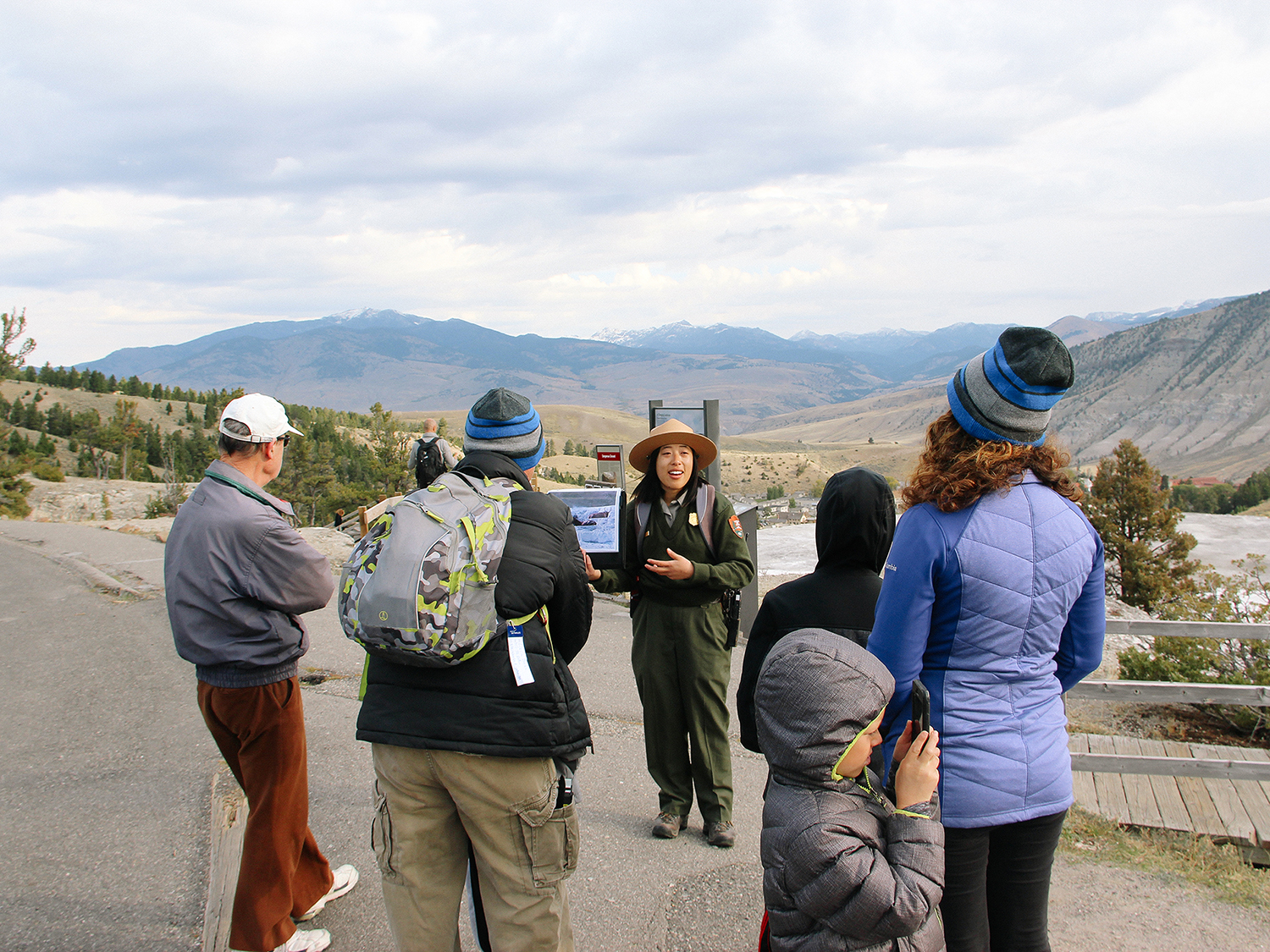
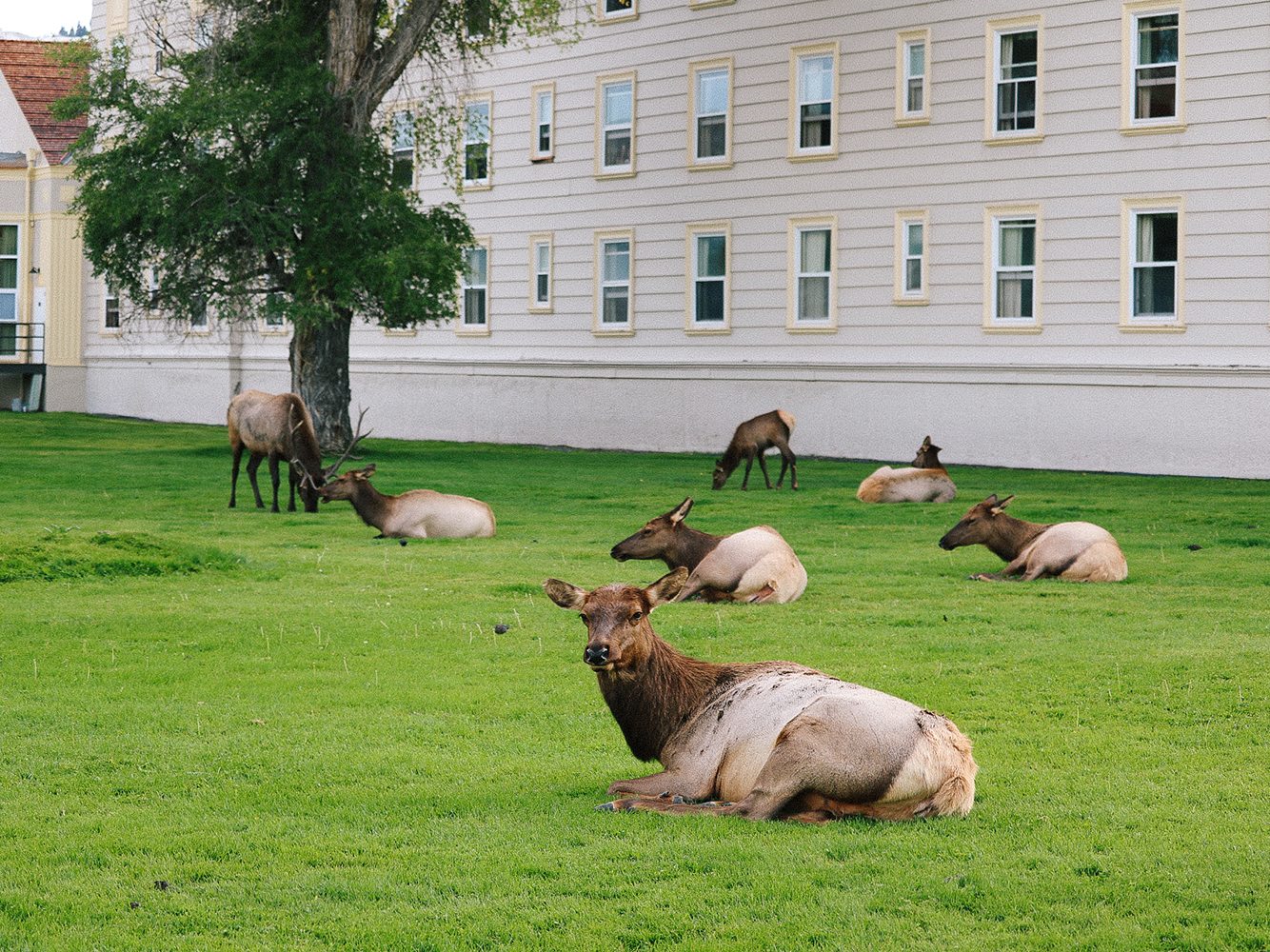
I was stationed in Mammoth Hot Springs (Mammoth) district in Yellowstone. As an Interp, I worked at the visitor center, led the ranger programs, and walked the park to engage with visitors in the district. Mammoth is quite special because we receive constant visits from elk in the main area –– and one of my favorite tasks was to go on elk patrol. During elk patrol, rangers will guard and section off areas to keep visitors a safe 25 yards away (a safety rule of the park). I loved to watch the elk casually munch away and lie on the grass. Although a sweet moment, there were times elk patrol can be overwhelming with our short-handed staff — as with many jobs in the outdoors.
Things I Loved About Being A Park Ranger
- I worked in the coolest “office” in the world. Just outside my window was the fresh air, surrounding mountains, beautiful wildlife, and the Mammoth Hot Springs.
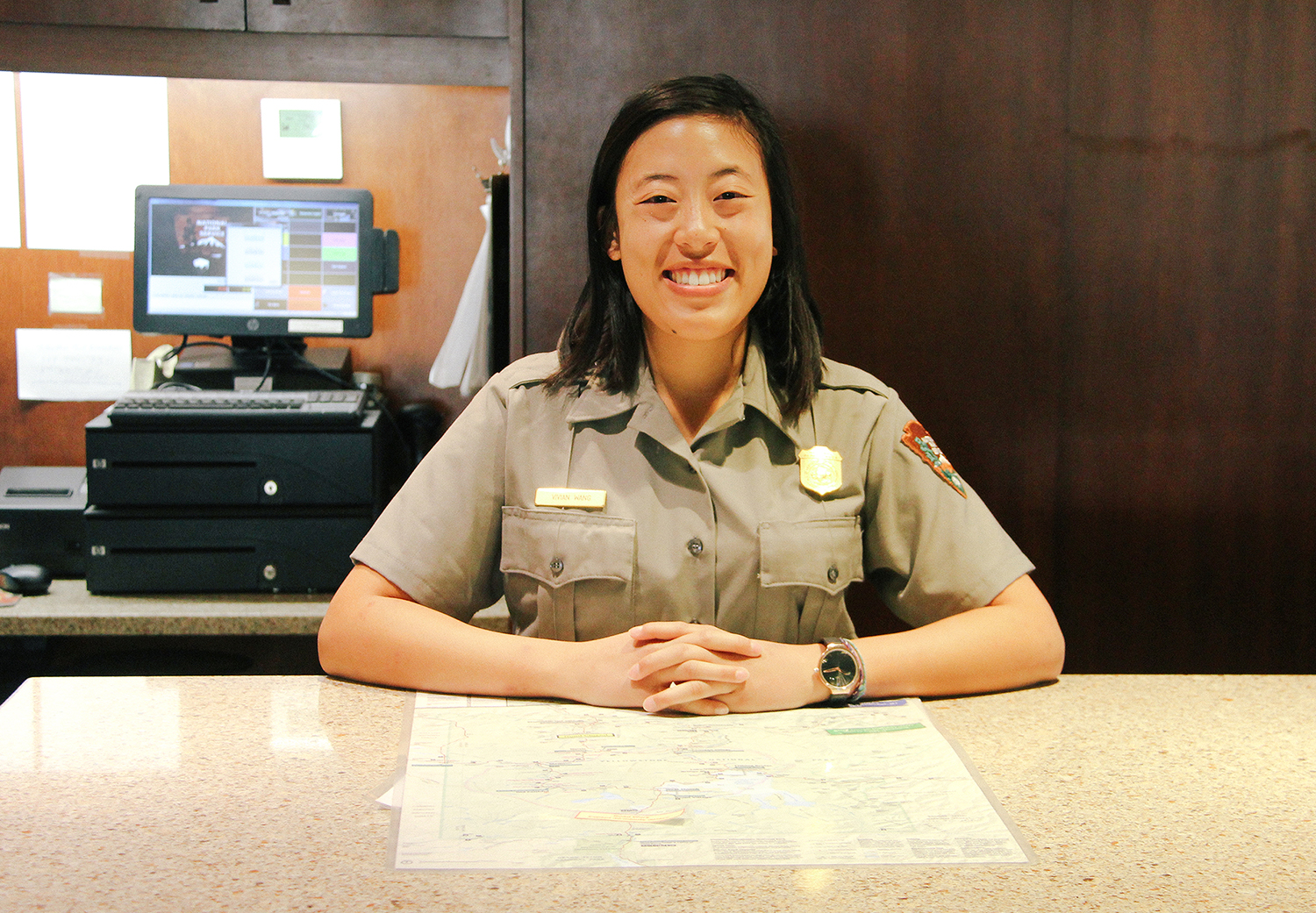
- I got the honor to wear the awesome NPS uniform. The first time I put on the flat hat, I knew I was a whole new person.
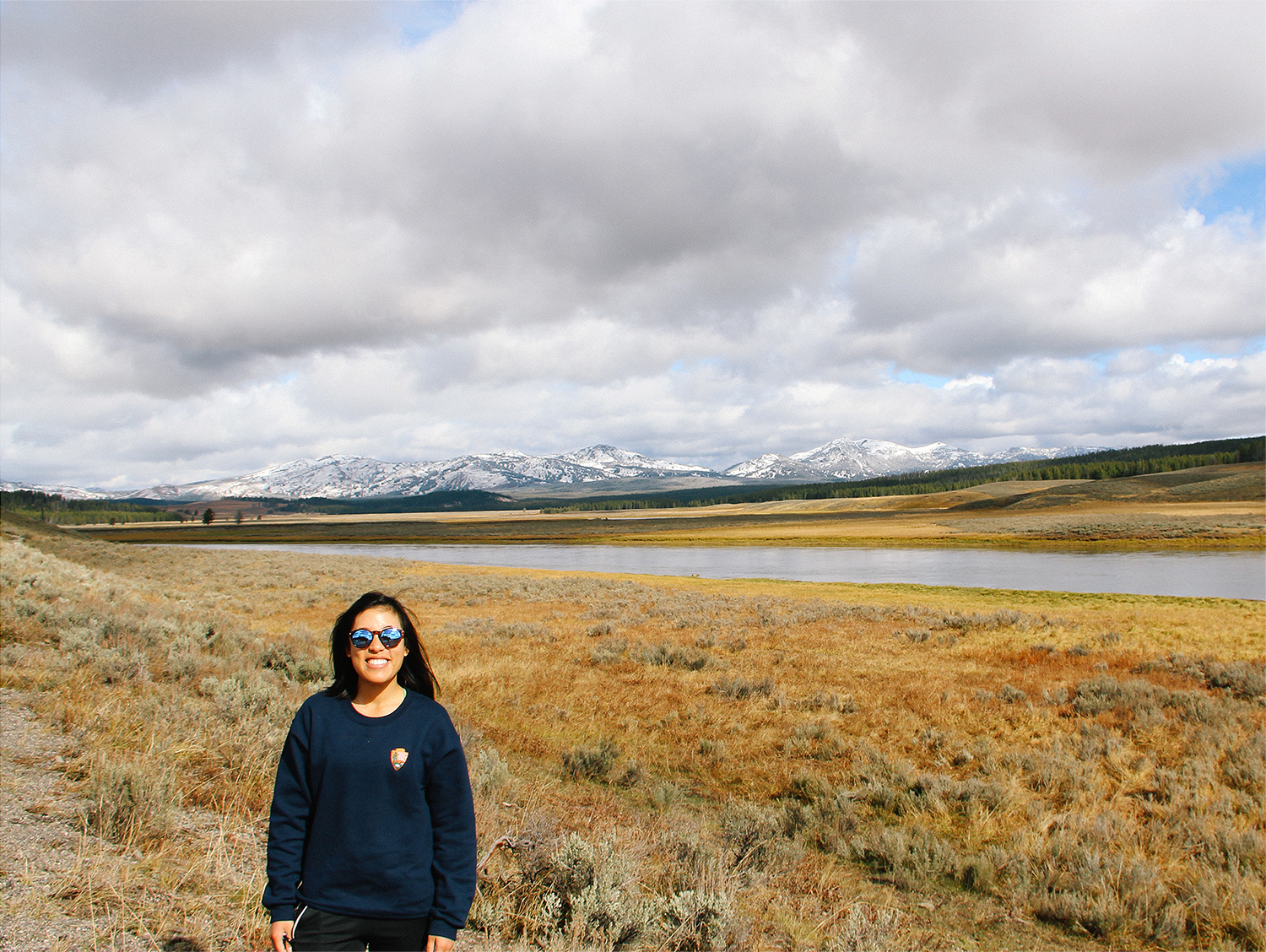
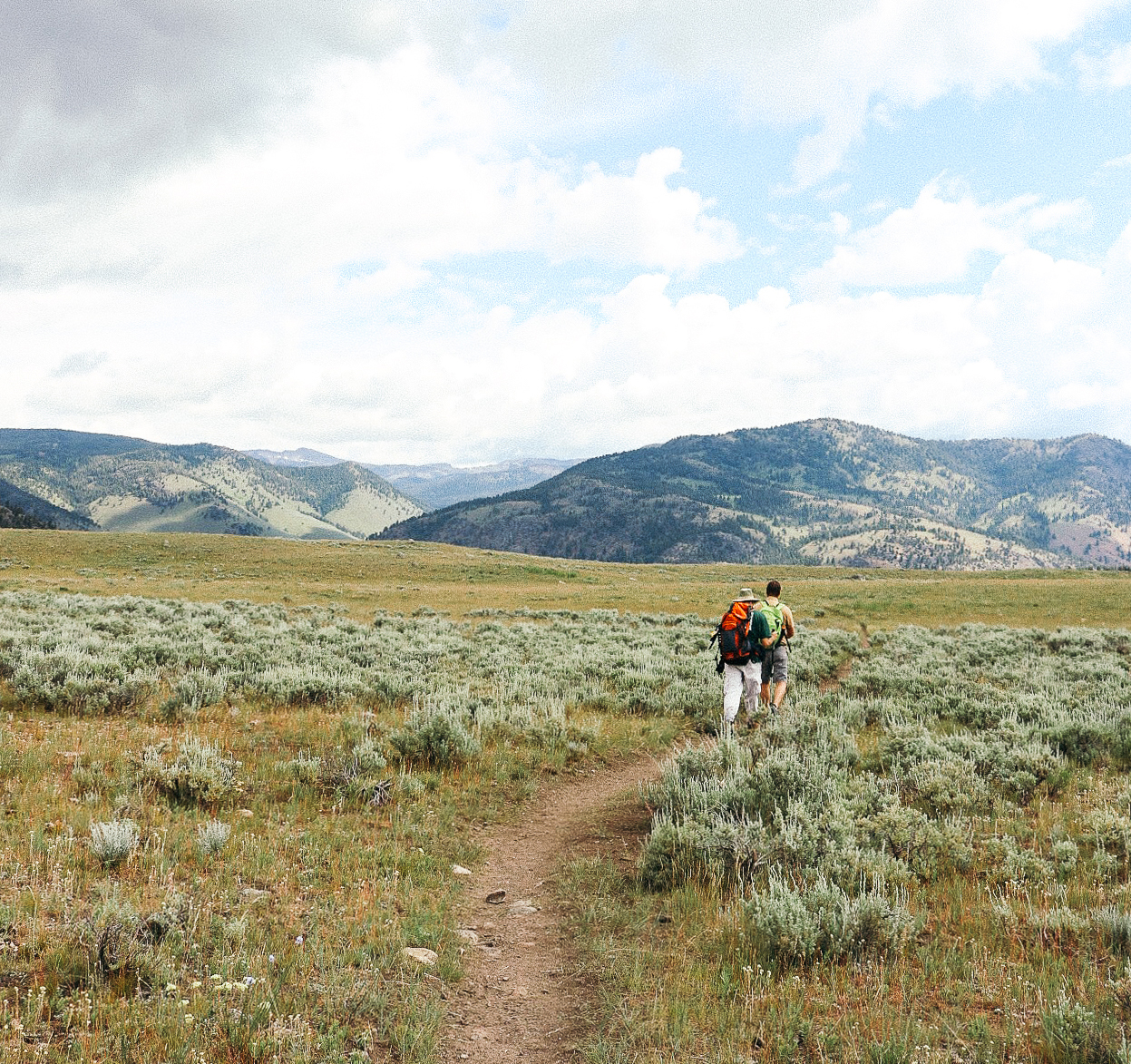
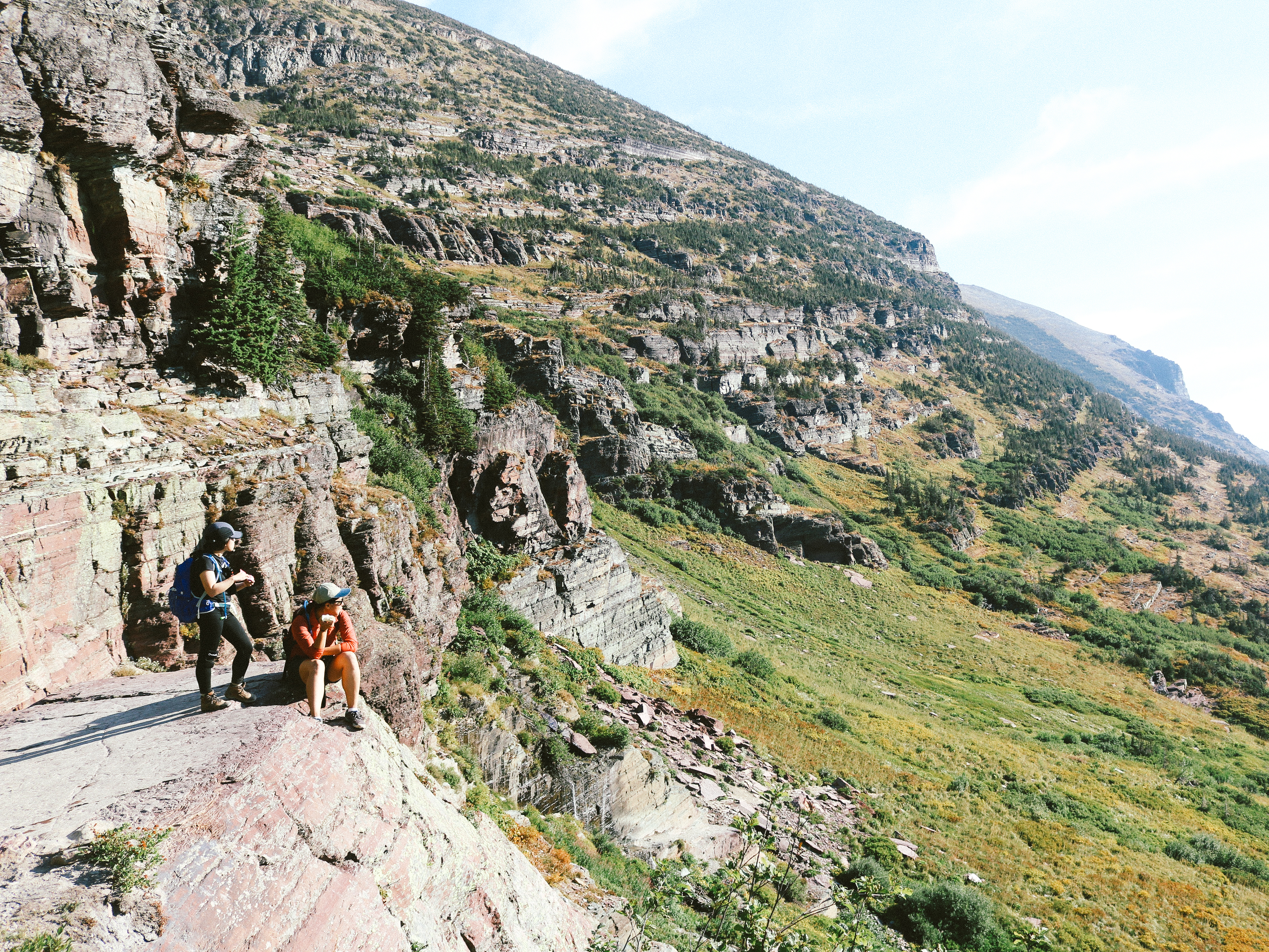
- There was the freedom to explore the park at my own leisure. In the months I lived in Yellowstone, I was able to explore a good portion of the park during my off-time. I didn’t feel the need to rush my hikes or choose to be surrounded by large crowds if I didn’t have to be.
- I saw the park change from Spring to Fall. It was a beautiful green to yellow to brown and even white snow!
- I watched newborn baby animals emerge in the spring and witnessed bison and elk engaged in their rut (mating) season.
- There was an opportunity to meet people from all over the world. I loved to ask “why did you choose to come to Yellowstone when you could’ve chosen to go anywhere else on this planet?” It made me appreciate Yellowstone more so.
- I was entrusted with the important task of educating a wide range of audiences –– and knowledge is power! My hope is that when more people expose themselves to the outdoors, they are willing to learn about the area, and then, want to protect it.
- The compliments and appreciation received by the visitors. It warmed my heart each time someone said to me, “Thank you for what you do. We truly appreciate it.”, “That was a great program, I learned a lot.”, “Keep protecting the park, we need you guys!”. To all my visitors reading, thank you for all your kind words!
Things I Found Hard To Love About Being A Park Ranger
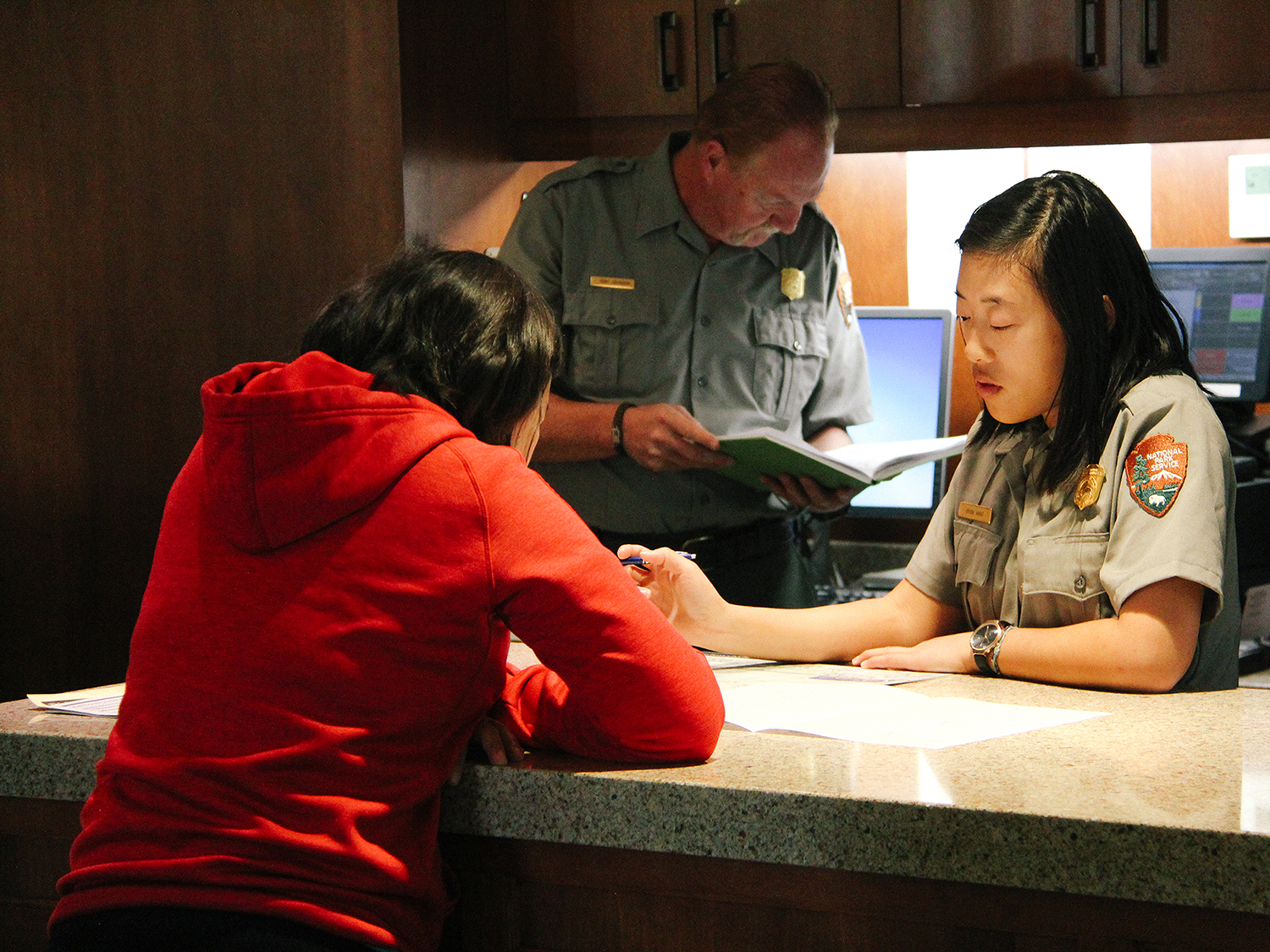
- Having to handle impolite visitors. I can’t count how many times a visitor would disregard what rangers tell them about park safety, signs, and warnings. I’ve also encountered a few who were aggressive and impatient at the front desk. There are thousands of you and only a few of us, please understand we’re trying to do our best!
- Being aware of my actions and words. Park rangers represent a large recognizable organization and it’s important to uphold our duties to the highest standard. We wear our NPS badge proudly.
- Long hours on my feet. We have occasional breaks, but eventually those hours behind the desk and walking the district can take a toll on the body.
- Not being seen as a human being. This happens the most at the visitor center. Visitors will come in, come straight to our desk, ask their questions, and demand an answer right away. Don’t forget we’re human and we have feelings too. A simple “hello”, “thank you”, “goodbye”, or even a smile goes a long way.
Some Funny Moments (that made me laugh out loud)
Many visitors from all over the world come to Yellowstone to catch a glimpse of the wildlife in the park, but they forget animals are wild and not here for our viewing pleasure. Here are a few silly questions I’ve gotten about the animals:
- “Where do you put the wildlife in the park?” and “When do you do that?” Yellowstone isn’t a zoo. The animals come and go as they please.
- “Do you feed the elk in Mammoth? Can I do that?” Nope, we can’t feed any wildlife.
- “How come I didn’t see a bear (or insert other animals) today in the park?” You just weren’t in the right place at the right time. Sorry.
- “The elk look so cute. Can I pet them?” Definitely not. As one of my fellow rangers would say, “25 yards please!”
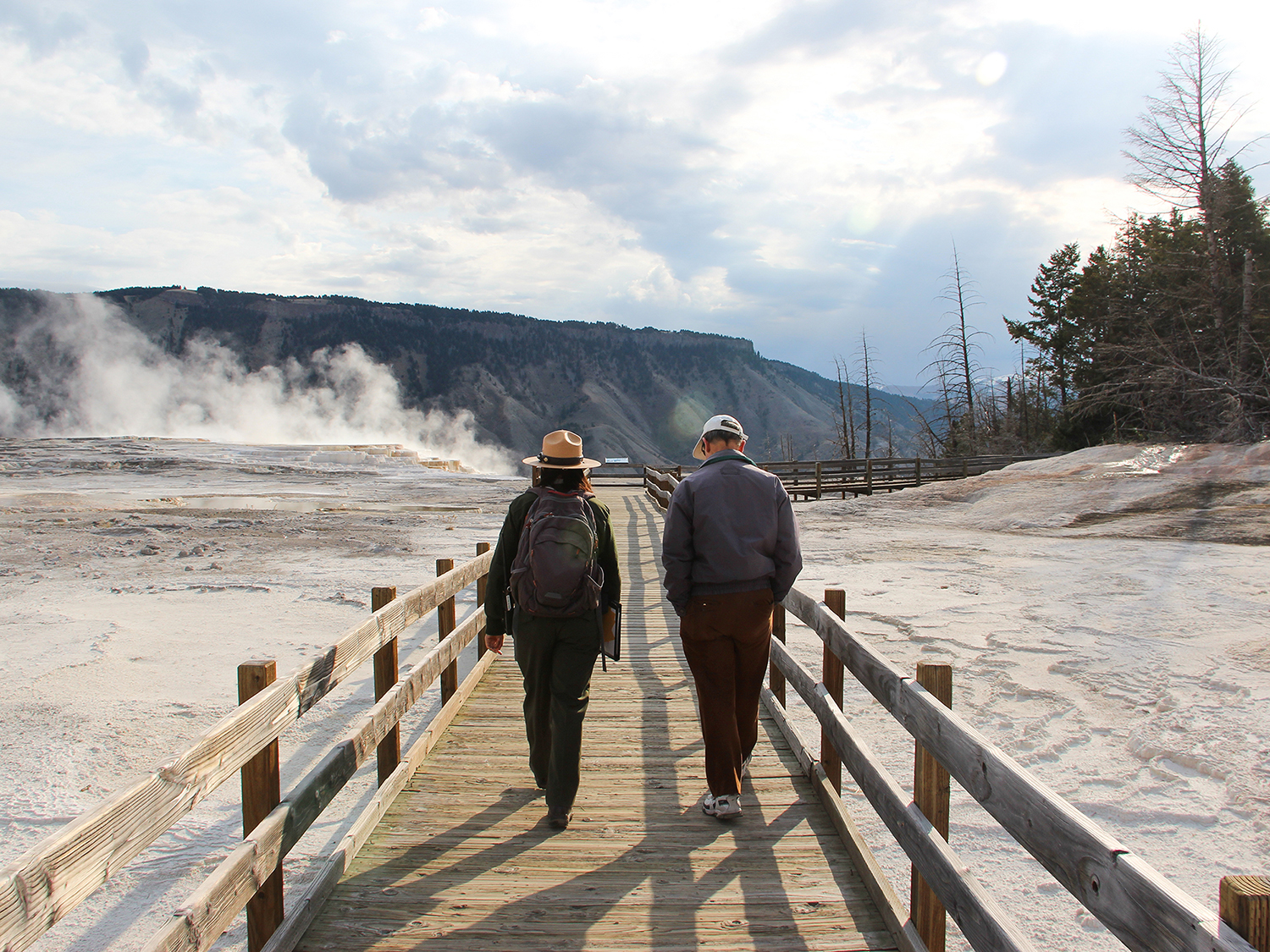
Additionally, there are few people of color (POC) rangers who work in national parks. One visitor was ecstatic when she saw me. I was on the boardwalks of the hot springs when suddenly, I heard a loud gasp, and someone screamed, “Oh my goodness, is that an Asian ranger?!” I could not help but smile and let out a small chuckle. She was an Asian American herself and went on to say, “Way to represent! Can I have a photo of you? I never see an Asian ranger.” I think she was happy to see a familiar face and in general, POC in the outdoors.
My Final Thoughts
There’s nothing quite like experiencing a national park by working in one. I was able to get a glimpse of what it is like behind the scenes. I can tell you, it takes a lot of people and structure to run a national park, especially one as large as Yellowstone. Everyone plays an important role in keeping Yellowstone an enjoyable experience for all who come (and you do too!). As a first-time Interpretive Park Ranger, I was taken back by the amount of work it took to create the ranger-led programs, the amount of energy to talk to visitors, and the expectations people had of us. In the beginning, I was overwhelmed. I read as many books as I could, retained as much information as my brain could take at once and stayed up late to perfect my programs (shout out to my awesome co-workers and supervisor that helped me through this). At the end of each day, I was exhausted from talking to visitors. Some days after a shift, all I wanted was to be left alone, not move, or talk to anyone.
Although I felt overloaded with information, the knowledge gave me a greater appreciation for Yellowstone. Yellowstone was originally protected for its rare hydrothermal features and 145 years later, not only is it still here, but the park has expanded in the protection of its rich culture, historical structures, and wildlife. I feel lucky to be able to see all those wonderful features today. When you visit this place, it’s impossible to not see how truly special Yellowstone is and how different it is from any place on Earth. Once a natural feature is destroyed, it may never come back.
Today, most of our lands are developed and covered in concrete jungles. There aren’t many places like Yellowstone left in the world; a place untouched by human civilization, left in its natural state. We, as visitors, play an important role in protecting the outdoors. Simply by following the rules and leaving no trace, we preserve the parks and other natural places for future generations to enjoy. Never underestimate the power of your impact. I like to keep this quote by Margaret Mead in mind:
“Never doubt that a small group of thoughtful, committed citizens can change the world; indeed, it’s the only thing that ever has.”

Do you have an outdoors dream job? Want to know the steps to applying for a park ranger position? Ask me in the comments below.
Cheers,
Vivian
Photo credits: Cover photo – Neal Herbert; all other photos – Phillip Tran, Vivian Wang














 tinycaravan